Ono County, Gifu Prefecture
Shirakawa
Neden Git
To see one of Japan's most iconic cultural landscapes, especially magical under snow. Overnight stays in a farmhouse provide an intimate, authentic experience of traditional architecture and hospitality.
Neden Gitme
If you dislike crowds and are only visiting as a day trip from a nearby city. The main experience can be completed in a few hours, making the travel effort feel disproportionate. Luxury travelers will find few upscale options.
Pazar Takibi
Live DataNe Zaman Gitmelisiniz?
Sezonluk AnalizDestination Analysis
Radical Honesty SeriesOverview
Shirakawa-go, a UNESCO World Heritage site in the remote mountains of Gifu, is famous for its gassho-zukuri farmhouses. It offers a postcard-perfect vision of old Japan, but its popularity has created a tension between preservation and tourism. This analysis cuts through the clichés to help you decide if it's right for you.
Seasonal Realities
Peak Season Chaos
From late April to May (Golden Week) and October to November (autumn leaves), the village is overwhelmed. Buses disgorge crowds, souvenir shops are packed, and tranquility vanishes. If you seek solitude, avoid these periods. The main street feels like a theme park. Accommodation books out months ahead at premium prices.
Winter Serenity
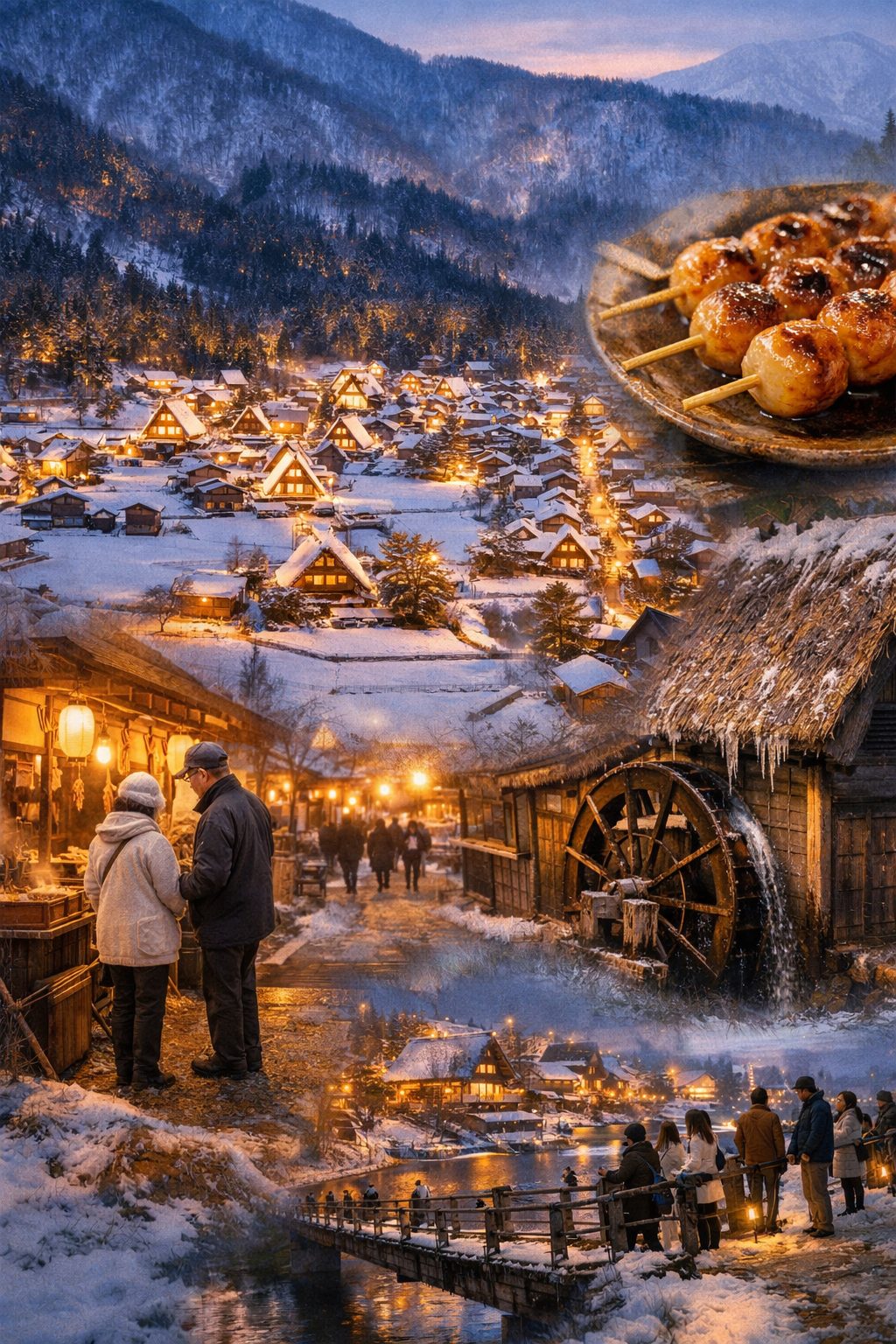
Winter, especially January and February, transforms Shirakawa. Heavy snow blankets the iconic roofs, and the famous illumination events (select dates) draw crowds, but on normal days the village is quiet. You'll need sturdy boots, but you'll be rewarded with a magical, hushed landscape. Many farmhouses are heated by traditional irori hearths.
Green Season Calm
Summer (June-August) is lush and green, with fewer tourists than autumn. It's warm and pleasant for hiking in the surrounding hills, though it can be humid. The rice paddies are vibrant. This is a good compromise for those wanting accessibility without peak crowds.
The Illusion of Off-Season
Even in the official off-season (December, January, March), weekends bring day-trippers. True quiet is found midweek, especially early mornings and late afternoons when the buses have left. The village is small, so lingering after 4 PM transforms the experience entirely.
Who Will Be Happy
Culture and architecture enthusiasts will appreciate the preserved farmhouses and the open-air museum (Wada House, Kanda House). Slow travelers staying overnight in a farmhouse (minshuku) will have an immersive, unforgettable experience. Photographers will find endless compositions, especially in snow. Couples seeking a romantic, serene backdrop will love the winter calm.
Who Will Be Disappointed
Luxury travelers expecting high-end amenities will find limited options. Adventure seekers will find the area too tame. Anyone on a tight schedule doing a day trip from Takayama or Nagoya will likely feel rushed and frustrated by crowds. The village is small; you can see it in a couple of hours, which can feel anticlimactic after long travel.
2025+ Trends
- Slow Travel: Overnight stays are the key to unlocking Shirakawa's true character. The trend toward longer, deeper visits aligns perfectly with what makes the destination special.
- Digital Detox: Cell service is spotty, and many minshuku have no Wi-Fi in rooms. This is a blessing for those seeking disconnection.
- Overtourism Escape: Shirakawa is an example of overtourism. The trend is now toward dispersing visitors to lesser-known nearby villages like Ainokura and Suganuma in the adjacent Gokayama region, which offer similar architecture with a fraction of the crowds.
- Sustainable Tourism: There's growing awareness of the fragility of the site. Visitors are encouraged to respect local life, as these are still functioning communities, not just a museum.
The real magic of Shirakawa begins after 4 PM when the tour buses leave and ends before 9 AM when they return. The village is a living community; respect residents' privacy.