Grad Rovinj, Grad Rovinj
Grad Rovinj
Neden Git
Medieval charm, hilltop church views, clear Adriatic swimming, excellent Istrian wine and truffles, and genuine non-packaged Croatian atmosphere in off-season.
Neden Gitme
Peak summer brings shoulder-to-shoulder crowds, expensive parking, stressed service, and cruise ship day-trippers. Not for budget travelers or families with strollers.
Pazar Takibi
Live DataNe Zaman Gitmelisiniz?
Sezonluk AnalizDestination Analysis
Radical Honesty SeriesGrad Rovinj: Venetian Dream or Summer Nightmare?
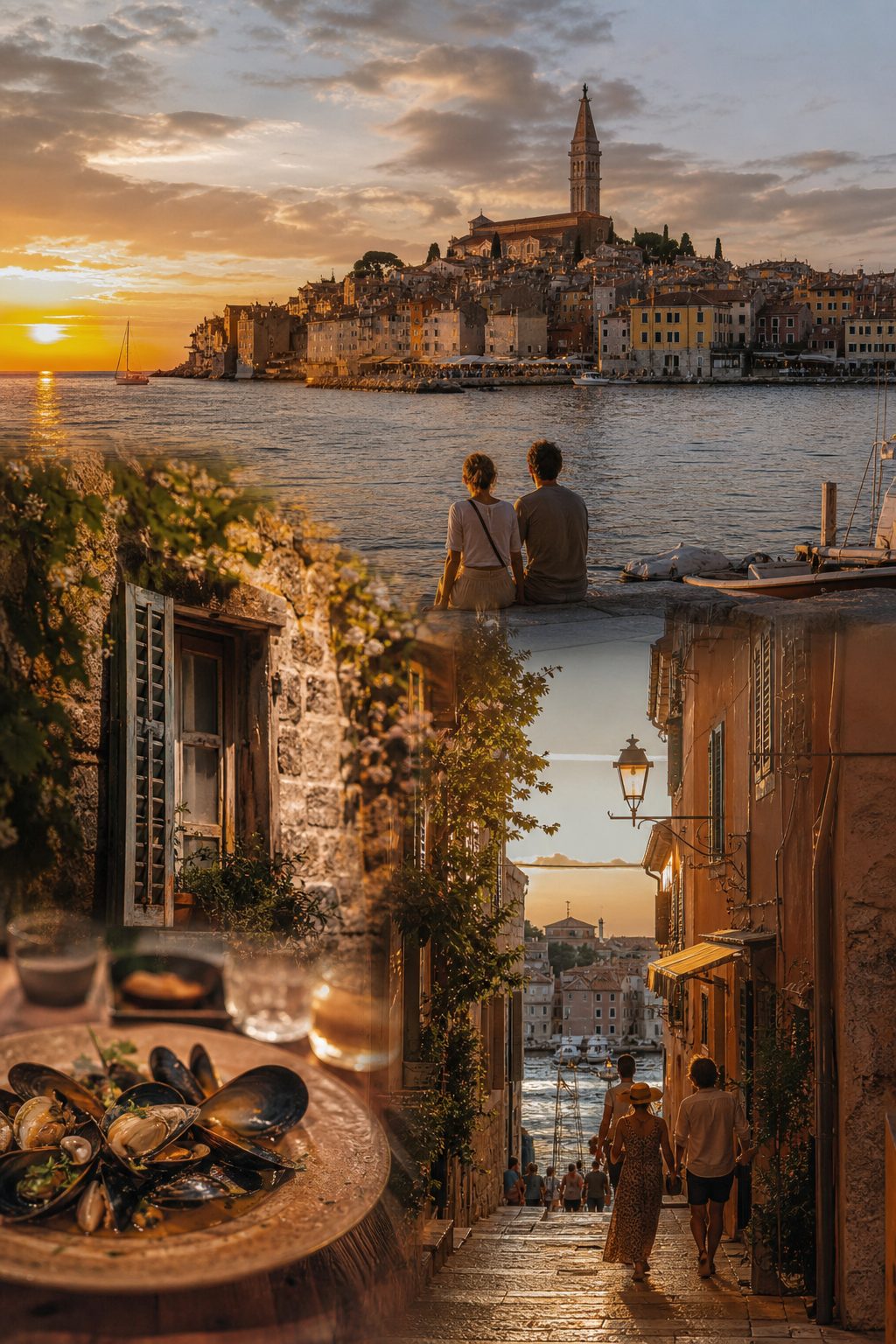
Rovinj, on Croatia's Istrian coast, is a former fishing port turned tourism darling. Its cobbled old town, church tower mimicking Venice's campanile, and sparkling Adriatic draw massive crowds. But the reality of visiting depends entirely on timing and tolerance for fellow humans.
The Allure & The Reality
The old town is genuinely beautiful — every alley curves towards the Church of St. Euphemia, offering sea views that justify the climb. Swimming off the rocky shores is a joy. However, from June to September, the port chokes with boats, restaurant touts hassle you, and walking the main street (Grisia) feels like a conga line. Prices double. Service strains. The calm of digital detox is shattered by live music and scooter rentals.
Who Wins, Who Loses
Happy: Couples who book a boutique hotel in the old town in May or September. Wine lovers exploring Istrian roads (Malvazija and Teran are splendid). Culture hunters who enjoy layered history (Venetian, Austrian, Yugoslav).
Disappointed: Budget travelers — even hostels are expensive in summer. Families with toddlers — steep cobblestones and no cars in old town are a stroller nightmare. Solo travelers seeking spontaneous social scenes (it's very couple/family oriented). Partiers (go to Zrće beach, not here).
2025+ Trends
Slow travel works: rent an agriturismo nearby and bike into town. Digital detox? Off-season there's little to do except walk and think — perfect. Overtourism escape is nonexistent in peak months, but November to April you'll have the place almost empty. Sustainable tourism is rising: local olive oil producers and eco-certified boat tours are available but not mainstream.
Seasonal Realities
Peak Season (July–August)
Chaos. Air temperatures 30-35°C, sea warm as bathwater. Parking costs €20+/day and fills by 9am. Restaurant reservations needed days ahead. The waterfront smells of sunscreen and fried calamari. Expect 5,000+ cruise passengers some days. Many reviews: "beautiful but stressful."
Shoulder Season (May–June, September–October)
The only sane time. Sea still swimmable until mid-October. Prices 30-40% lower. Parking possible. Locals are friendly, not frazzled. Olive harvest and truffle fairs happen in September/October. Sunny days, cooler nights for hilltop wine bars.
Off Season (November–April)
Quiet to dead. Many restaurants and hotels close. Storms can lash the coast. But you'll have the old town to yourself. Winter sunrises over the Adriatic are spectacular. Cheapest rates. If you seek peace, digital detox, and don't need nightlife, this is paradise.
Hidden Gem Period
Mid-September, the week after Italian summer holidays end. Sea still 22°C, crowds thin, and the local regatta festival adds character without chaos.
Market Reality
Rovinj is expensive by Balkan standards, moderate by Western European. Daily spend in summer can hit €120-200 for mid-range comfort. Off-season halves that. Demand has grown 8% year-on-year (2023-2024), driven by luxury villa rentals and remote workers. But watch for overtourism backlash; 2025 may see limits on day-trippers.
The old town is car-free and cobbled — romantic but accessibility nightmare. The best food is 10 minutes inland, not on the waterfront. Off-season many places close entirely.