Salerno, Campania
Atrani
Neden Git
Stunning scenery, authentic Italian village feel, less touristy than Positano/Amalfi (relatively), pedestrian-only center, good base for Ravello.
Neden Gitme
Peak season overcrowding, pebble beach, limited dining, expensive, many stairs, weak nightlife, overtourism stress.
Pazar Takibi
Live DataNe Zaman Gitmelisiniz?
Sezonluk AnalizDestination Analysis
Radical Honesty SeriesAtrani, Campania, Italy: Radical Honesty Review
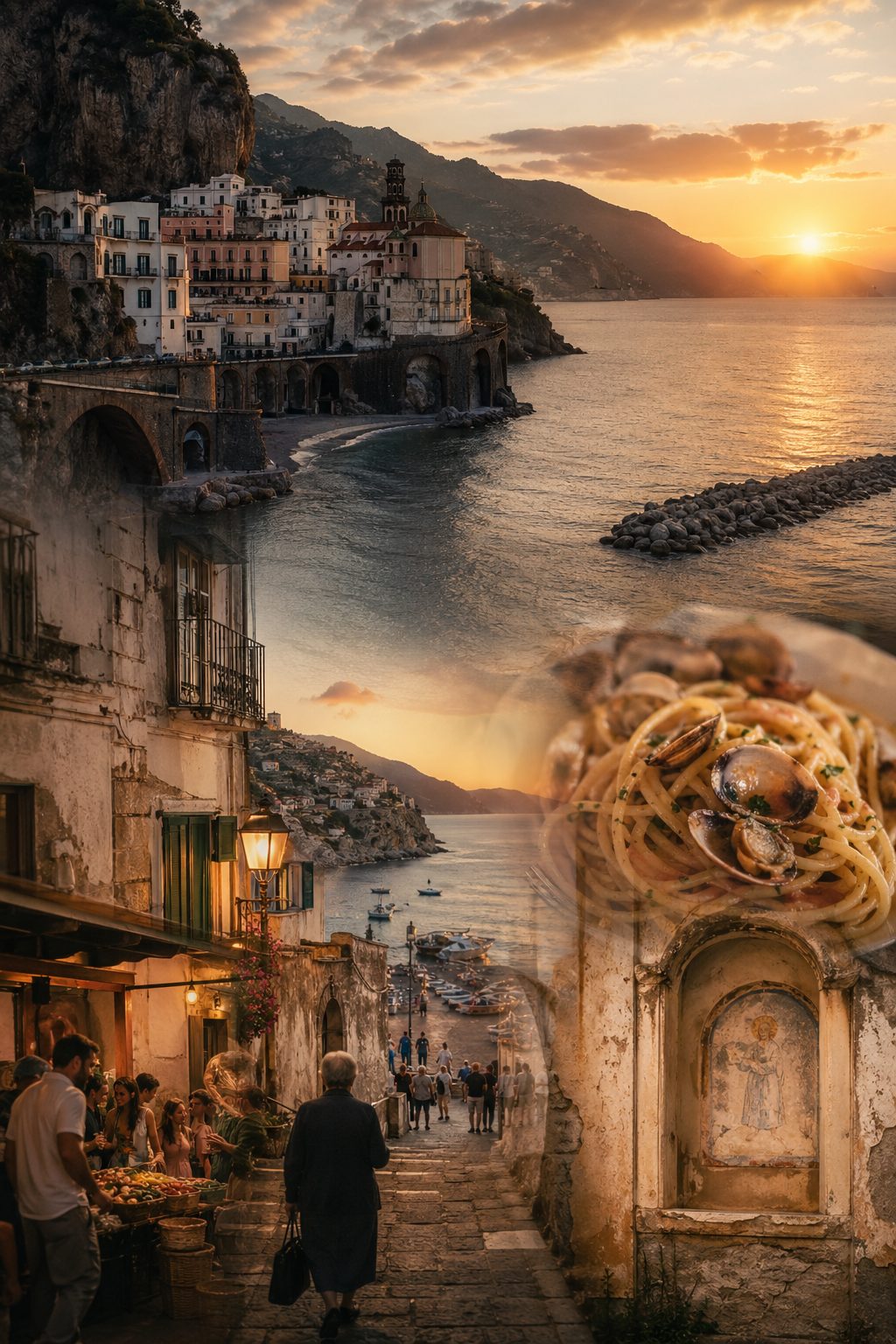
Atrani is postcard-pretty — a minuscule fishing village tucked between cliffs on the Amalfi Coast. Less famous than Amalfi or Positano, but that relative obscurity is shrinking fast. With just 800 residents, this UNESCO-protected gem now hosts thousands daily in peak summer. The reality: incredible beauty, intense crowding, and a fragile local culture under pressure.
Why Go
Spectacular setting. Authentic (yet fading) Italian village vibe. Tiny beach with turquoise water. Maze-like medieval streets. No car traffic inside the center. Close to Ravello and Amalfi. Lower prices than Positano.
Why Avoid
Summer = queuing for beach space, paying €5 for a coffee, shoulder-to-shoulder alleys. Limited nightlife. Restaurants are small and often booked. Overtourism stress. July/August heat is brutal (35°C+). Beach is pebbly, not sandy.
Nuance Notes
Atrani is best as a quiet-season escape (April-May or September-October). June and September can still be crowded but manageable. Winter is sleepy — many shops close, but you get the village to yourself. The local municipality has started limiting beach umbrellas and encouraging off-season stays, but enforcement is weak.
Who Will Be Happy
Culture hunters seeking authentic coastal architecture. Couples wanting romantic, quiet base outside the maddening crowds (off-season only). Slow travelers with 3+ days to explore nearby hill towns. Digital detoxers — cell service is fine, but the vibe discourages constant scrolling.
Who Will Be Disappointed
Families with young kids (pebble beach, no playgrounds, steep stairs everywhere). Luxury travelers missing five-star amenities. Party seekers — this is not Ibiza. Budget travelers in summer (Amalfi Coast is expensive).
2025+ Trends
Slow travel and digital detox are rising. Atrani could benefit if it manages overtourism. Local experience demand is high — cooking classes, fishing trips. Sustainability expectations are growing; tourists increasingly avoid overtouristed spots.
Seasonal Realities
Peak Season (July-August)
Chaos. Beach packed by 9 AM. Restaurant reservations needed days ahead. Street vendors triple. Locals exhausted. High noise. Expect to pay 30-50% more for accommodation. Reality check: It's beautiful, but the experience is stressful. Recommended only if you book far ahead and tolerate crowds.
Shoulder Season (May-June, September-October)
Sweet spot. Pleasant weather (20-28°C). Manageable crowds. Beach space available. Shops and restaurants open but not frantic. Ferry schedules still robust. Best for most visitors. September water is still warm.
Off Season (November-April)
Quiet to very quiet. Many hotels/restaurants close from November to March. Weather is mild (10-15°C) but rainy. Ferries reduced. Town feels local again — you'll see residents, not just tourists. Great for solitude, writing retreats, photography. Not for swimming or beach days.
Hidden Gem Period
Late October. Crowds gone, weather still pleasant (18-22°C), sea swimmable for hardy souls, and prices drop 40-60%.
Practical Costs (2025 estimates, USD)
Coffee: €1.50-3. Pizza: €8-12. Dinner for two (mid-range): €50-80. Water taxi to Amalfi: €2. Beach umbrella rental: €15-25/day in peak.
Visit May-June or September-October. July-August is beautiful but frustrating. Winter is very quiet but authentic. Not for luxury or party travelers.