Bodrum, Muğla
Yalıkavak
Why Go
To see and be seen at world-class marinas and exclusive beach clubs. For excellent windsurfing conditions in the shoulder season. For high-end dining and boutique shopping in a glamorous setting.
Why Not
If you're on a budget, the prices are exclusionary. If you dislike crowds and traffic, avoid July and August. In the off-season, almost everything is closed, making it a bleak visit.
Market Watch
Live DataWhen to Visit?
Seasonal AnalysisDestination Analysis
Radical Honesty SeriesYalıkavak: The Gloss and Grit of the Bodrum Peninsula
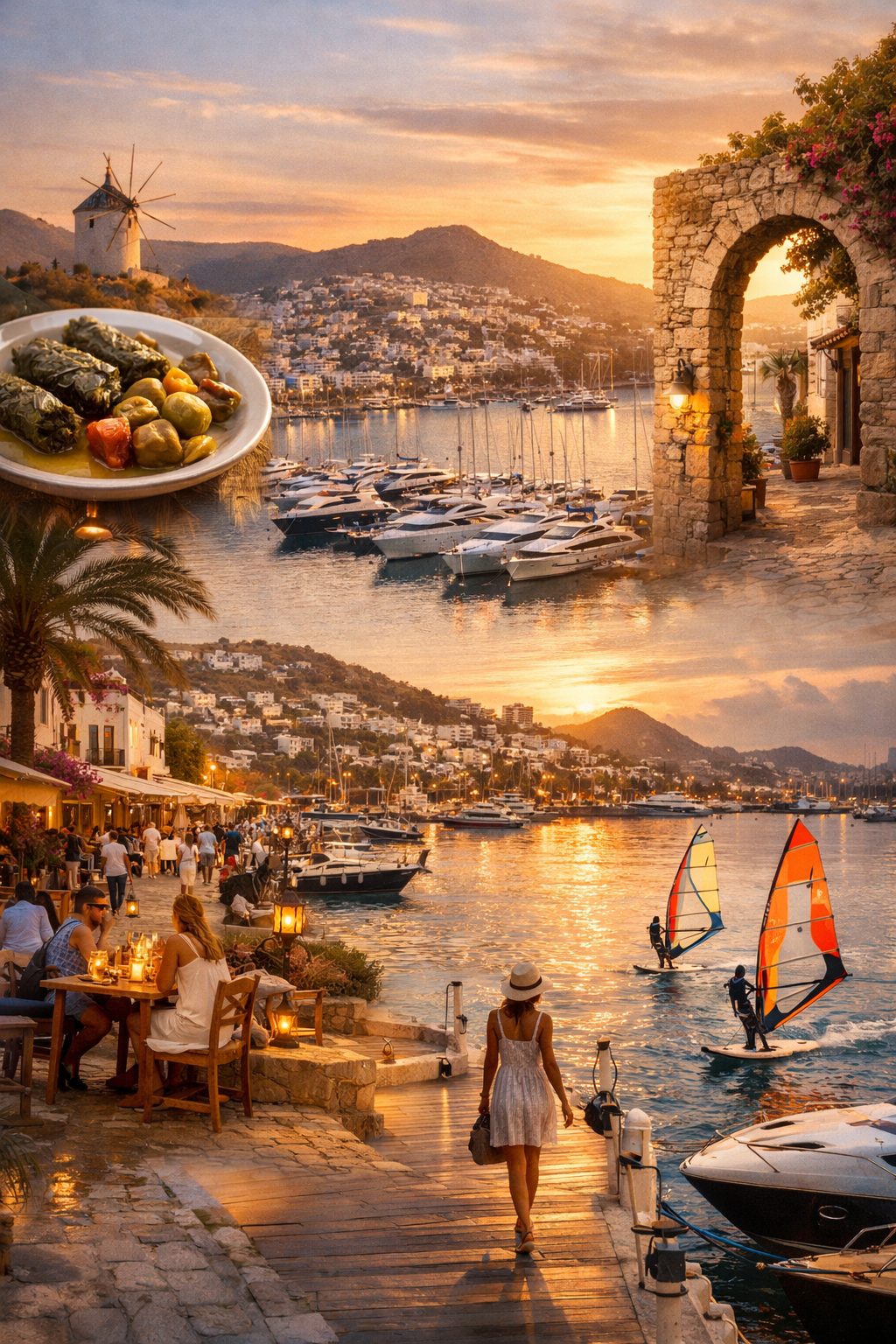
Yalıkavak, once a quiet sponge-diving village, has been transformed into one of the most exclusive addresses on the Turkish Riviera. Its marina, designed by Emre Arolat, glitters with superyachts, and the surrounding hills are dotted with whitewashed villas. But beneath the surface of this luxury playground lies a more complex reality.
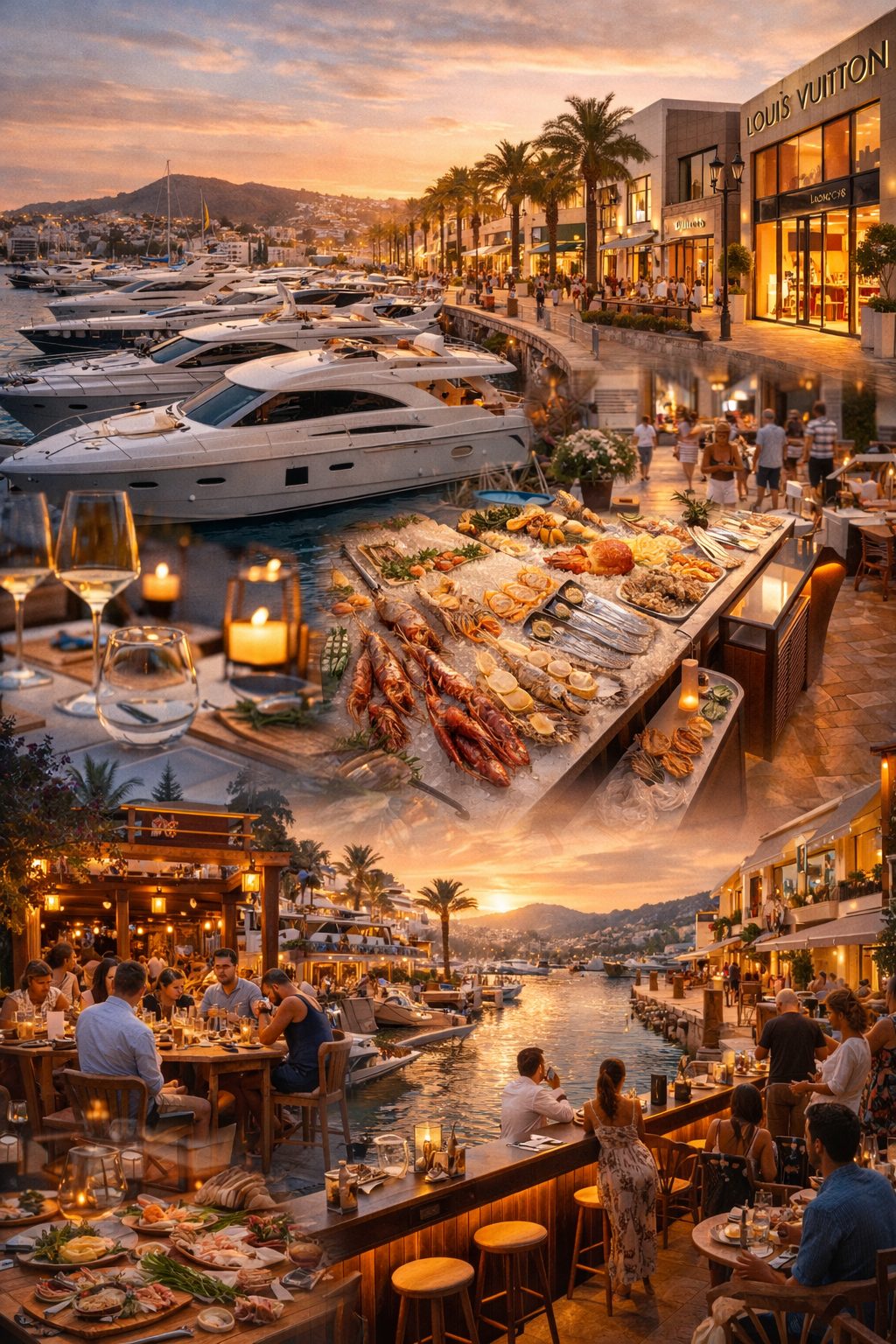
For the traveler seeking status, a table at a beach club like Maçakızı or a berth at the marina signals arrival. The town center, however, retains a slightly frayed charm, with local tea gardens and kiosks selling gözleme. The contrast is stark: EUR 20 cocktails are served a stone's throw from where fishermen mend their nets.
Seasonal Realities
Peak Season (July-August)
This is when Yalıkavak operates at full throttle. The population explodes as wealthy Turks, international jet-setters, and those hoping to catch a glimpse of them descend. The marina becomes a catwalk of designer brands. Beach clubs are packed, with daybeds costing upwards of EUR 150. Traffic on the single coastal road grinds to a halt. Restaurants require reservations weeks in advance. The heat is intense, and the sea is warm but crowded. This period is for those with money and a high tolerance for chaos and exclusivity. Anyone on a budget will feel profoundly out of place.
Shoulder Season (May-June & September-October)
This is the golden window. The weather is still warm enough for swimming (June and September are ideal), but the manic crowds have thinned. The marina is still lively, but tables are available. Prices for accommodation drop significantly. The wind picks up, making it perfect for windsurfing—a sport for which Yalıkavak is actually famous, often overlooked by the glitterati. You can experience the luxury vibe without the suffocating pressure, and there's space to explore the surrounding countryside, which is green and fragrant in spring.
Off-Season (November-March)
Yalıkavak hibernates. The vast majority of beach clubs, restaurants, and boutiques are shuttered, their facades looking tired against the grey winter sky. The marina is a ghost town of covered yachts. A chill wind blows in from the sea. The local population, a fraction of the summer numbers, goes about its quiet life. While a few year-round cafes and bakeries remain open, the visitor experience is one of abandonment. The only appeal is for absolute solitude and a desire to see the town stripped bare of its pretensions. Many hotels simply do not operate.
Hidden Gem Period
Late September. The sea retains its summer warmth, the first olives are being harvested, and the golden light is spectacular. You can enjoy the stunning architecture and natural beauty of the peninsula without the oppressive heat and crowds. It's the only time when the luxury and the landscape coexist peacefully.
The town has a split personality: a luxury bubble for the international elite and a functional Turkish town for locals. The windsurfing scene offers a more authentic, less ostentatious entry point.