Safranbolu, Karabük
Safranbolu
Why Go
To experience well-preserved Ottoman domestic architecture, wander historic cobblestone streets, and soak in 18th-19th century atmosphere.
Why Not
If you dislike crowds, seek adventure activities, or expect luxury amenities. Overtourism and commercialism can detract from authenticity in peak times.
Market Watch
Live DataWhen to Visit?
Seasonal AnalysisDestination Analysis
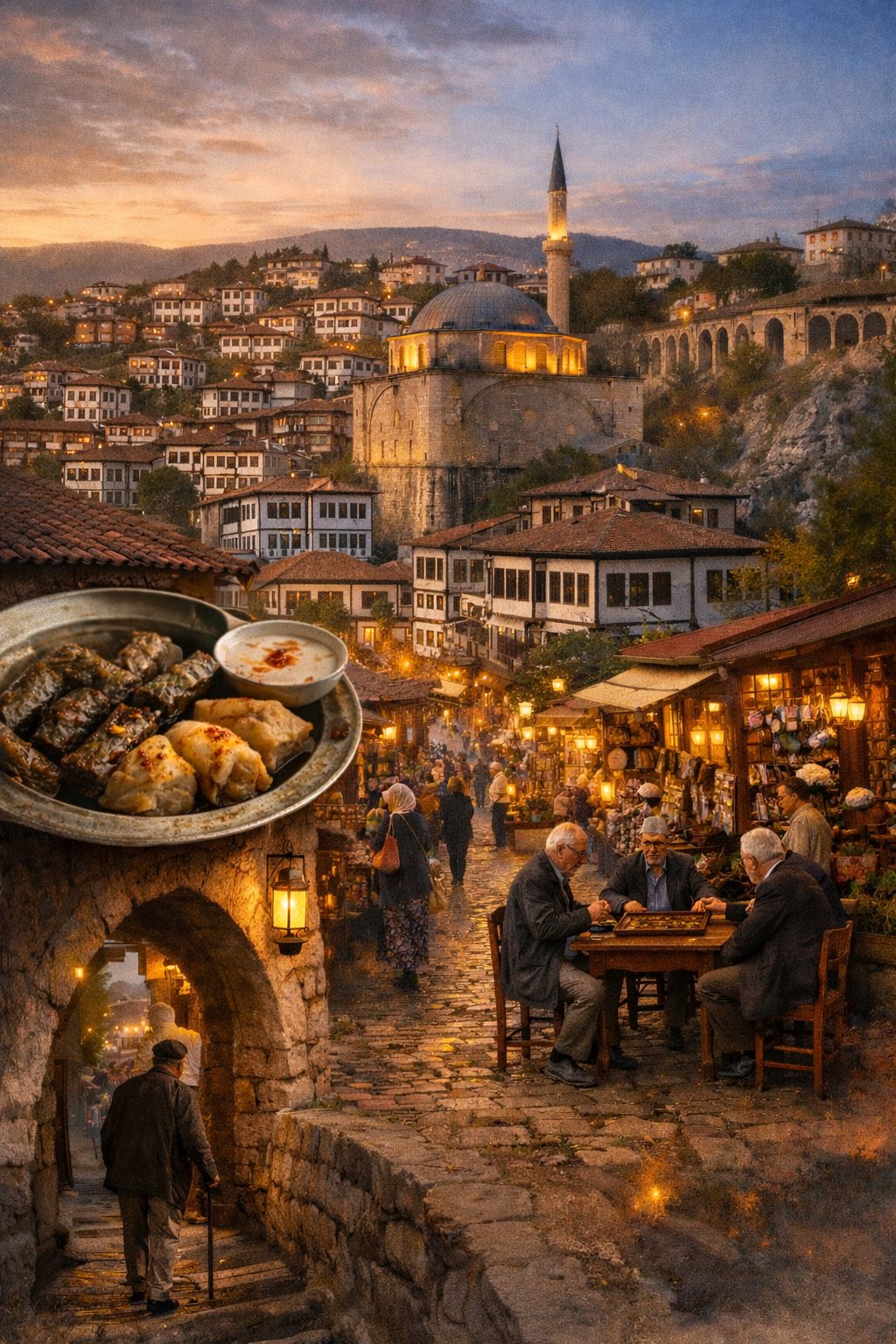
Radical Honesty SeriesSafranbolu, a UNESCO World Heritage site in Turkey's Black Sea region, is often presented as an open-air museum of Ottoman-era civil architecture. The town, divided into the historic Çarşı (market area) and the newer Bağlar (vineyards) district, showcases hundreds of meticulously preserved traditional houses with their characteristic timber-framed structures, bay windows, and cobblestone streets. The dominant narrative is one of timeless beauty and authentic Turkish culture. This analysis digs beyond the postcard.
The Allure: What Works
For the culture hunter, Safranbolu delivers a concentrated dose of Ottoman domestic history. The Cinci Han caravanserai, the old bathhouse (Cinci Hamam), and the Kaymakamlar Gezi Evi (a museum house) offer tangible connections to the 18th and 19th centuries. Wandering through the narrow, sloping streets of Çarşı genuinely feels like stepping back in time, especially in the early morning or late evening when the tour buses have departed. The craft shops, while tourist-oriented, still house artisans practicing traditional trades like coppersmithing and leatherworking. The local saffron, from which the town derives its name, adds a unique culinary and aromatic layer to the experience.
The Realities: Crowds and Commerce
The primary friction point for many visitors is the sheer volume of tourism, which feels overwhelming and inauthentic during peak periods. Safranbolu has become a mandatory stop on the domestic Turkish tour circuit, and on weekends and holidays, the main square and key streets are choked with visitors. This transforms the experience from serene discovery into a crowded procession. Consequently, the commercial aspect is inescapable. Many of the historic houses are now hotels, restaurants, or souvenir shops. While this ensures their preservation, it also creates a theme-park atmosphere where the line between a living town and a tourist attraction blurs. The shops largely sell similar items, from lokum (Turkish delight) to imitation Ottoman trinkets, making it difficult to find truly unique, locally made products.
Who Will Love It and Who Will Be Disappointed
Safranbolu is a near-perfect destination for the culture hunter and the slow traveler who values architecture and history. Couples seeking a romantic, atmospheric getaway will find the old town charming, especially if they stay in a restored konak (mansion). Families with children can manage the hills but may find younger kids bored by the lack of interactive attractions. However, the adventure seeker will be sorely disappointed. There are limited outdoor activities beyond gentle walks; it is a cultural, not an adrenaline, destination. Luxury travelers expecting high-end amenities and fine dining will find the accommodation charming but rustic and the dining options repetitive and basic. Digital nomads will struggle with inconsistent internet and a lack of suitable co-working spaces.
Seasonal Realities
Understanding Safranbolu requires dissecting its seasonal rhythms, which drastically alter the visitor experience.
Peak Season (June - August)
The summer months are characterized by intense heat and the highest concentration of tourists. The streets are packed from mid-morning onwards. The experience can feel rushed and commercial. Accommodation prices are at their peak, and booking well in advance is essential. This period is for the traveler who prioritizes seeing the site over the quality of the experience.
Shoulder Season (April - May & September - October)
This is the optimal time to visit. The weather is mild and pleasant. The crowds are significantly thinner, particularly on weekdays. You can explore the museums and streets at a leisurely pace. The surrounding countryside is green in spring and tinged with autumn colors. This is when the 'hidden gem' feel of Safranbolu is most accessible.
Off-Season (November - March)
Winter transforms Safranbolu. Snow blankets the red-tiled roofs, creating a stunning, quiet beauty. Many of the day-trip crowds vanish. However, many shops and some smaller hotels and restaurants close for the season. The weather can be cold and damp, with some streets becoming slippery. The experience is one of stark, peaceful isolation, perfect for photographers and those seeking complete tranquility, but with limited services.
The Shoulder Season Advantage
The brief window between the end of summer and the onset of winter, particularly late September and early October, is the hidden gem period. The summer crowds are gone, but the full winter closure hasn't begun. The light is golden for photography, the saffron harvest is underway, and you can experience the town's rhythm more as a local might, rather than as a tourist. This is when the authenticity of Safranbolu shines brightest.
2025+ Trends
Safranbolu is well-positioned for the rise of slow travel and the desire for cultural immersion. Its compact, walkable scale and focus on heritage align with the 'digital detox' trend—though this is by necessity rather than design, given the poor connectivity. Its challenge will be managing overtourism. To remain sustainable, it must encourage off-season visits and develop experiences that move beyond shopping, such as deeper workshops in traditional crafts or culinary tourism focused on local, seasonal produce beyond saffron-flavored everything. The town's future appeal lies not in resisting its commercial role, but in curating a more authentic and less congested encounter with its remarkable architectural legacy.
Best experienced in shoulder season for tranquility. The town is a living museum but also a functioning place—manage expectations about 'authenticity' given tourist focus.