Rhodes Regional Unit, South Aegean
Rhodes
Why Go
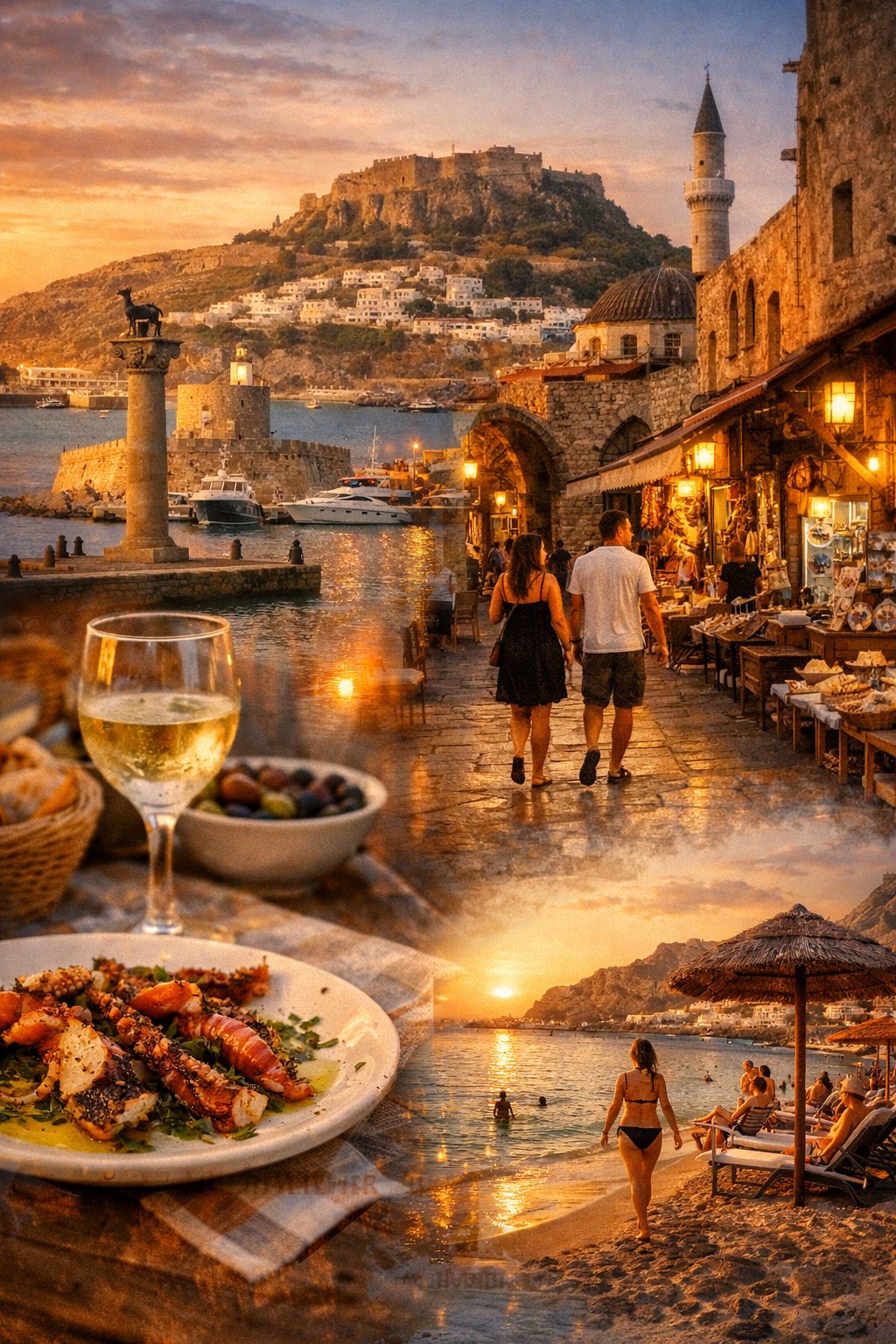
To walk through over 600 years of history inside the perfectly preserved Old Town walls, then lounge on a beach. It delivers both cultural depth and easy beach holidays, with excellent windsurfing on the west coast and the stunning acropolis of Lindos.
Why Not
If you despise crowds, relentless commercialization, and strong summer winds. The package tourism infrastructure dominates large stretches of coast, making it feel less authentically Greek than smaller islands. In summer, the 'historical' experience is often a battle with selfie sticks.
Market Watch
Live DataWhen to Visit?
Seasonal AnalysisDestination Analysis
Radical Honesty SeriesRhodes is the largest of the Dodecanese islands, a place where the medieval Old Town—a UNESCO World Heritage Site—sits within fortified walls, while just beyond, resort strips and party bars stretch along the coast. In summer, it's a collision of history and hedonism; in winter, a near-ghost town of windswept streets and shuttered tavernas. This is the honest reality.
Seasonal Realities
🌊 Peak Season (July–August)
The island is overwhelmed. Cruise ships disgorge thousands daily into the Old Town's narrow alleys. Beaches like Faliraki become wall-to-wall sunbeds with thumping music. Temperatures hover around 35°C, making sightseeing a sweaty endurance test. Book everything months in advance or pay triple. The atmosphere is relentlessly party-focused, with British and Scandinavian tourists dominating the resort towns. The medieval city, while beautiful, feels like a theme park—crowded, commercial, and exhausting.
🌸 Shoulder Season (May–June & September–October)
This is the sweet spot. The sea is warm enough for swimming, the crowds are manageable, and the wind (a Rhodes constant) is less fierce. You can explore the Acropolis of Lindos without queueing for an hour, and find a table at a decent taverna without a reservation. Prices drop significantly in late September. The landscape is still green from spring rains or just fading from summer heat—either way, it's photogenic and pleasant.
❄️ Off Season (November–March)
Rhodes hibernates. Most resorts, bars, and tourist shops in places like Faliraki and Ialyssos are closed. The Old Town feels like a movie set—quiet, atmospheric, and yours to wander. Many tavernas in the city are shut, but a few local spots remain open, serving hearty winter fare. The wind can be biting, and some archaeological sites have reduced hours or are closed. This is the time for solitude, photography, and feeling like you have the island to yourself—if you don't mind the cold.
🌬️ The Wind Factor
One thing they don't put on postcards: Rhodes is windy. The "meltemi" wind blows fiercely in July and August, particularly on the west coast (Ialyssos, Ixia), making it a kite-surfing paradise but a nightmare for anyone wanting calm sea swimming. The east coast (Lindos, Faliraki) is more sheltered. It's a constant presence that shapes the island's character and should not be underestimated if you're after tranquil beach days.
The island's dual personality means your experience is entirely season-dependent. The interior villages (like Embonas) offer a more traditional glimpse, away from the coast. The wind is a year-round factor, not just a summer quirk.