Marmaris, Muğla
Marmaris
Why Go
You want a lively, all-inclusive beach holiday with non-stop nightlife, water sports, and boat trips in a stunning coastal setting. The marina is world-class, and the surrounding pine forests provide a dramatic backdrop.
Why Not
You dislike crowds, loud music, and commercialism. You seek authentic cultural immersion, quiet nature, or a romantic escape. Visiting in July or August will likely lead to frustration.
Market Watch
Live DataWhen to Visit?
Seasonal AnalysisDestination Analysis
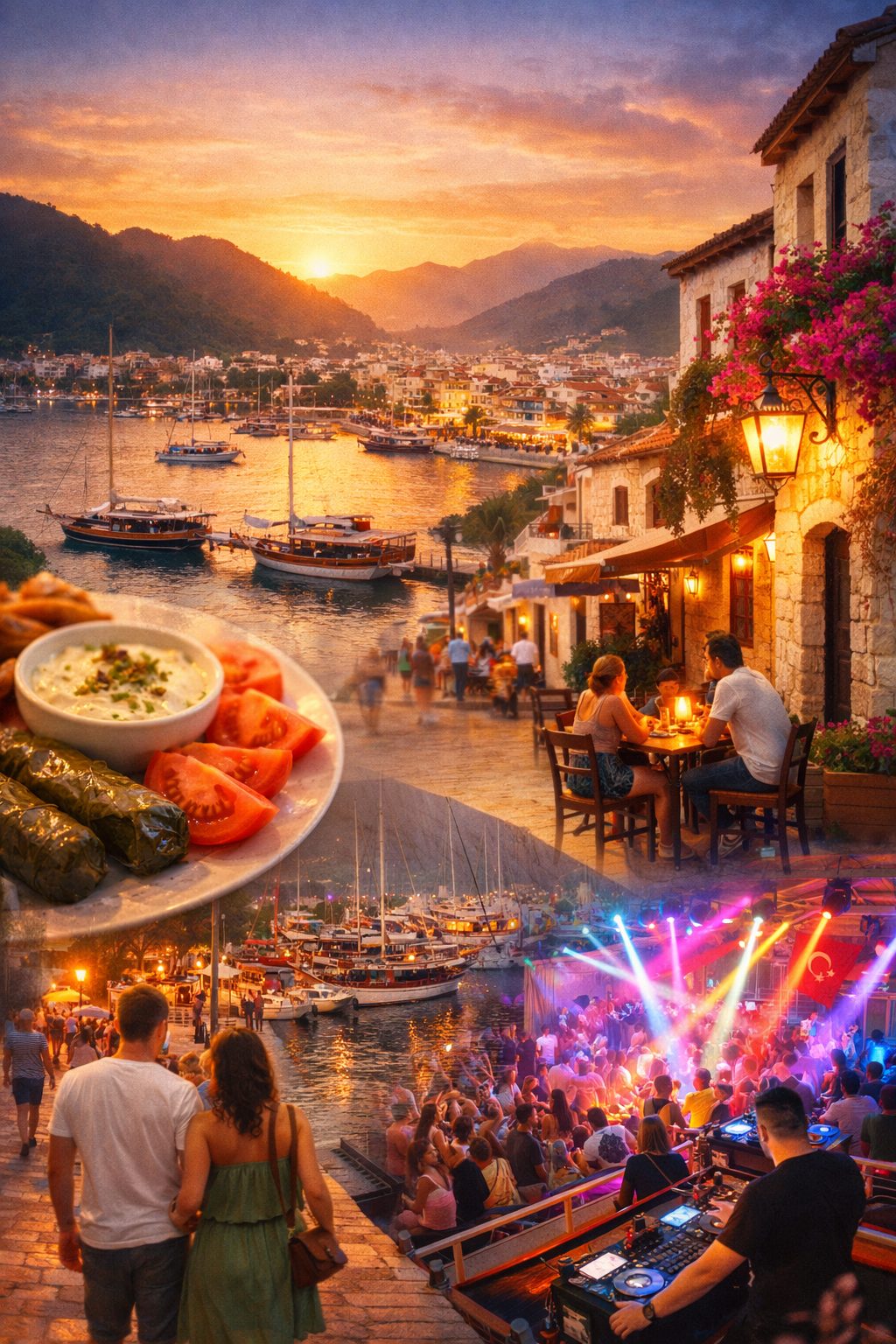
Radical Honesty SeriesMarmaris, on Turkey’s southwestern coast, is a destination of extremes. For decades, it has been a magnet for British, Dutch, and German package holidaymakers, drawn to its sweeping bay, pine-clad mountains, and relentless summer energy. The town’s identity is split: a bustling, often chaotic marina-front promenade lined with bars and clubs, set against a backdrop of traditional tea gardens and a formidable 16th-century castle.
This analysis cuts through the marketing. Marmaris is not a hidden gem; it’s a polished, high-volume tourism machine. Your experience will depend almost entirely on your tolerance for crowds, your desire for nightlife, and the month you choose to visit. For those seeking a quiet, culturally immersive retreat, Marmaris in July is a nightmare. For those wanting a sun-drenched, party-fueled escape with every conceivable water sport on tap, it’s a paradise. The 2025+ trend is a slow but noticeable pivot towards experiences over excess, with a growing market for gulet charters, hinterland village visits, and off-season wellness retreats.
Seasonal Realities
Peak Season (July – August)
The town is at full capacity. Temperatures regularly exceed 35°C (95°F). The main drag, Bar Street, is a cacophony of music and neon lights from dusk until dawn. Beach clubs are packed, the marina is a forest of superyachts, and traffic grinds to a halt. Prices for accommodation and boat trips are at their annual peak. Expect queues for everything: restaurants, ATMs, and even the public toilets. This is the time for party animals and those who thrive on high-energy atmospheres. Families with young children may find the heat and crowds overwhelming.
Shoulder Season (May – June & September – October)
The sweet spot. In May and June, the sea is warming, the hillsides are lush and green, and the town is buzzing but not bursting. September and October offer the same—the sea is at its warmest after the summer, and the crowds thin out noticeably by mid-October. This is when the pace shifts from frantic to lively. It’s the ideal period for couples, sailors, and anyone who wants to enjoy the natural beauty and outdoor dining without the oppressive heat and noise. Prices are more moderate, and a sense of calm returns to the Old Town.
Off-Season (November – April)
Marmaris transforms into a quiet provincial town. Many hotels, beach clubs, and restaurants shutter completely. The population drops significantly as seasonal workers leave. The weather is unpredictable: mild, sunny days are common, but so are cool temperatures and rain. The upside is absolute tranquility. You can have the castle, the waterfront promenade, and the mountain hiking trails almost to yourself. This period appeals to digital nomads looking for cheap winter sun, hikers, and those seeking a base for exploring the less-visited ancient sites of the region like Amos or Physkos.
Hidden Gem Period
Late September to early October. The sea is still bathed in summer warmth, the autumn light is stunning for photography, and the majority of the summer infrastructure remains open. You can enjoy the famous boat trips to the bays of Kumlubük and Phosphorus Cave without the sensation of being on a floating sardine can. It’s the perfect time for a gulet cruise, where the focus shifts from partying to enjoying the coastline’s serene beauty.
Who Will Be Happy & Who Will Be Disappointed
Happy: First-time visitors to Turkey looking for a classic, all-inclusive beach resort; solo travelers seeking a lively social scene; British, Dutch, and German package tourists; families who prefer large resort complexes with water slides; yachting enthusiasts using the marina as a base.
Disappointed: Travelers seeking authentic, off-the-beaten-path cultural experiences; those with a low tolerance for loud music and persistent vendors; budget travelers in July and August; hikers looking for a wilderness experience (the trails are better in Bozburun peninsula); anyone expecting a quiet, romantic getaway during the summer peak.
2025+ Travel Trends
Marmaris is grappling with its identity. The trend of 'slow travel' is gaining traction, with a new wave of boutique hotels and eco-conscious gulet operators promoting week-long coastal itineraries rather than day trips. The 'digital detox' market is a natural fit, but currently under-developed; the region’s remote bays and pine forests offer a true escape, but the main town does not cater to this. 'Overtourism' is a real and present danger in peak months, pushing discerning travelers to neighboring Bozburun, Selimiye, or Datça. The future for Marmaris may lie in strengthening its off-season appeal—promoting its mild winters, hiking trails, and its role as a gateway to the wider, more tranquil Datça and Bozburun peninsulas.
Marmaris is two destinations in one: the frenetic summer party hub and the sleepy, pleasant winter town. The key is timing. Venture a few kilometers east to the Bozburun peninsula for a completely different, more traditional experience. The old town and castle area offer a charming respite from the coastal chaos.