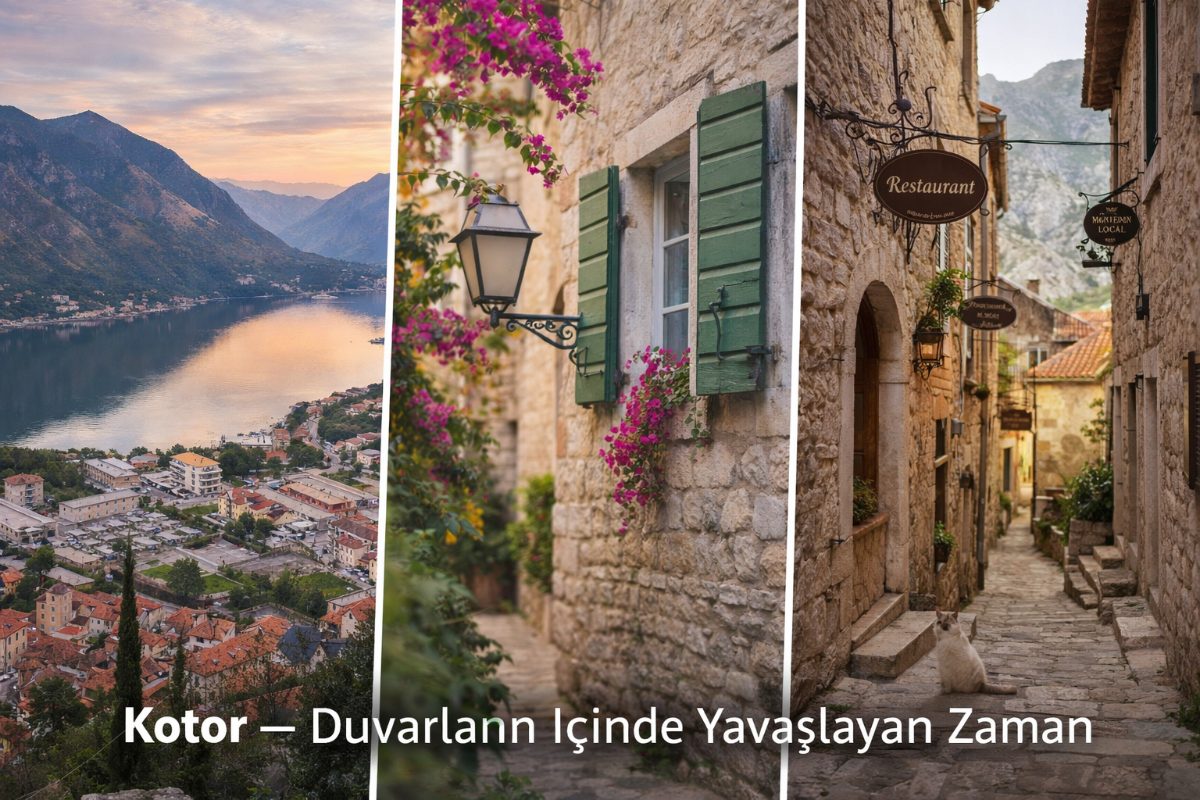
Kotor, Kotor
Kotor
Why Go
For the view from St. John’s Fortress at sunrise, the intact Romanesque churches, and the feeling of being in a living museum when crowds are absent.
Why Not
If you have mobility issues (endless stairs & cobblestones), hate crowds, or expect a sandy beach. July and August are sweltering and packed.
Market Watch
Live DataWhen to Visit?
Seasonal AnalysisDestination Analysis
Radical Honesty SeriesKotor, Montenegro: Fortress Beauty Under Siege by Crowds
Nestled at the end of Europe’s southernmost fjord-like bay, Kotor is a medieval maze of limestone-paved alleys, Romanesque churches, and a relentless climb to a crumbling fortress. The setting is dramatic, almost unfair to other coastal towns. But radical honesty: what you get depends entirely on when you go. In July and August, the old town becomes a hot, sweaty conveyor belt of cruise ship passengers. In winter, you might have the entire city walls to yourself — but most restaurants and hostels shutter.
Seasonal Realities
Peak Season (July–August)
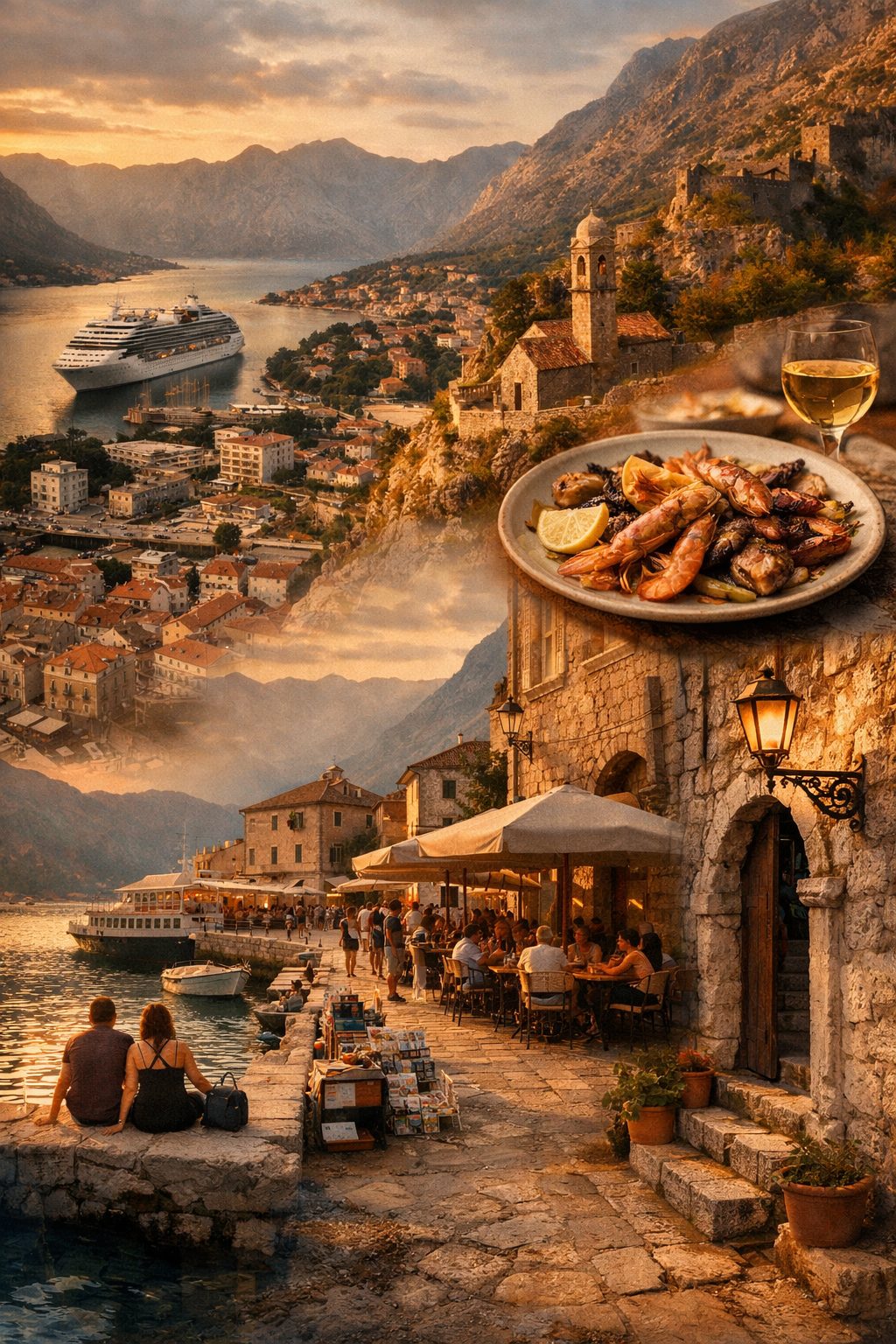
The bay shimmers, but so do the foreheads of 10,000 daily cruise arrivals. Expect 30+ minute waits to climb the city walls, restaurant prices inflated by 40%, and a soundtrack of English pop covers from floating bars. The climb to St. John’s Fortress at 8 AM is already crowded. Positives? The energy is festival-like, boat trips to Our Lady of the Rocks run constantly, and nightlife buzzes until 2 AM.
Shoulder Season (May–June & September–October)
The sweet spot. May brings wildflowers on the fortress path and water warm enough for a quick dip. September sees the sea retain summer heat while crowds drop by half. Prices are 20-30% lower. You can actually hear your footsteps echo in the Mariana Palace square. Some boat tours still run, and hiking up to the fortress feels like an achievement, not a queue.
Off Season (November–April)
Radically quiet. November is grey and drizzly; December has Christmas markets in the main square but half the shops closed. January and February can be bitterly cold, with the bora wind making the fortress climb dangerous. The upside: you’ll have the entire city walls to yourself, accommodation costs drop to €20/night, and locals actually have time to chat. But many mountain paths are muddy and unmaintained.
Hidden Gem Period
Late October, right before the first heavy rains. The chestnut sellers appear on the promenade, the light is golden and low, and the last cruise ships of the season are thin. You can climb the fortress at 4 PM without sweating on a stranger.
Who Will Be Happy vs. Disappointed
- Happy: History buffs (Romanesque architecture is genuine, not rebuilt), slow hikers who start at 6 AM, off-season solitude seekers, and photographers wanting dramatic cloud-shrouded mountains.
- Disappointed: Luxury seekers (no five-star hotels inside the walls), partiers (Budva is louder), wheelchair users (cobblestones + stairs everywhere), and anyone expecting empty streets in August.
2025+ Trends
Slow travel is a natural fit: many visitors now rent apartments in Dobrota or Muo, a 20-minute walk from the old town, to escape the day-trip crowds. Digital detox is impossible unless you deliberately avoid Wi-Fi (which exists everywhere). Overtourism escape is the opposite of Kotor’s peak season problem — but off-season travelers are discovering that Kotor without crowds is a world-class alternative to Dubrovnik.
Practical Realities (2025-2026)
Cash is still king in smaller shops; ATMs run out on weekends. The main bus station is a 15-minute walk from the old town, with luggage-unfriendly pavement. Tap water is safe. For the fortress climb, bring water — there’s no kiosk halfway up. Expect cruise ship crowds from 9 AM to 4 PM; stay overnight to see the empty town at 7 PM.
Verdict
Kotor is a magnificent destination ruined by its own success in summer, and a hauntingly beautiful secret in winter. Plan your dates with cruelty: if you only have July available, accept the chaos and go anyway for the view. If you can choose, October is the month that delivers the brochure promise.
Kotor’s peak season is a victim of its own Instagram fame. Stay overnight to experience the magical 7 PM to 9 AM window when day-trippers vanish. The surrounding bay villages (Perast, Risan) offer calm alternatives.