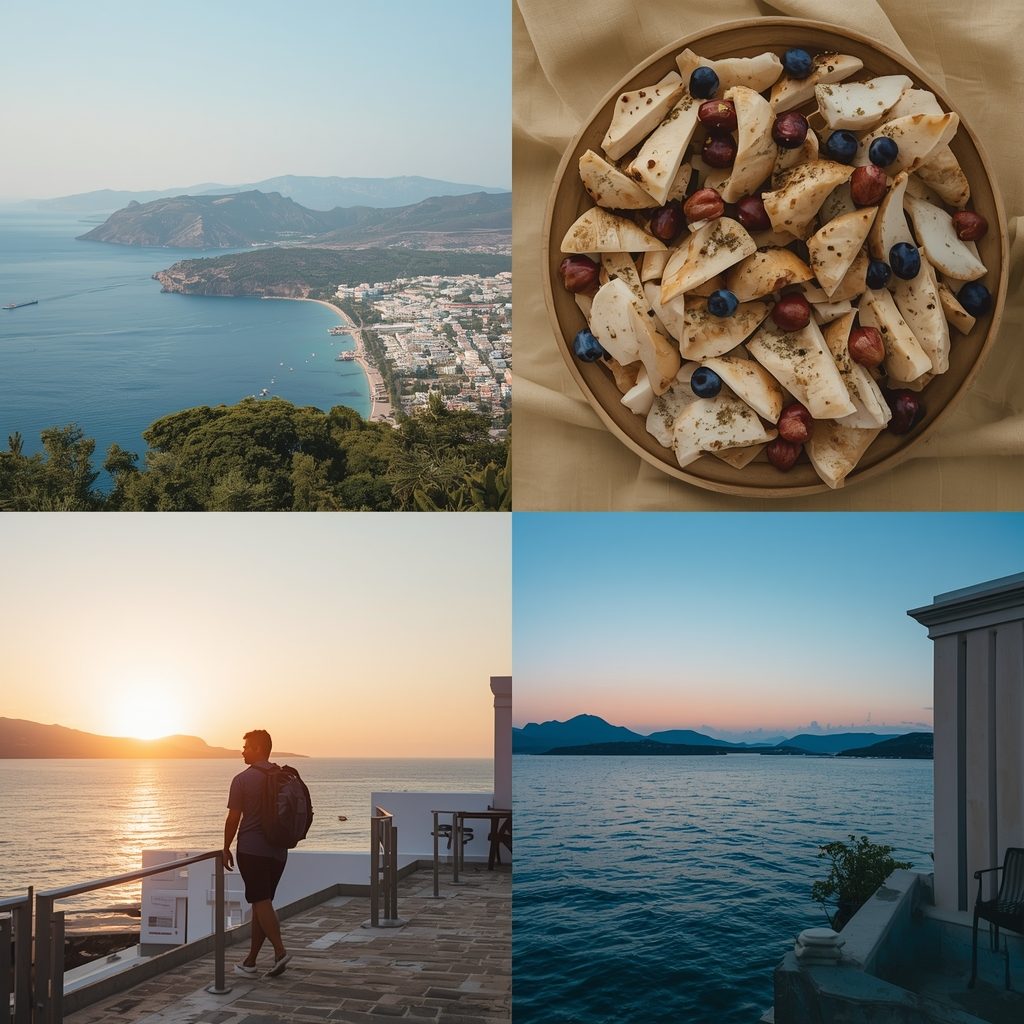
Kos Regional Unit, South Aegean
Kos
Why Go
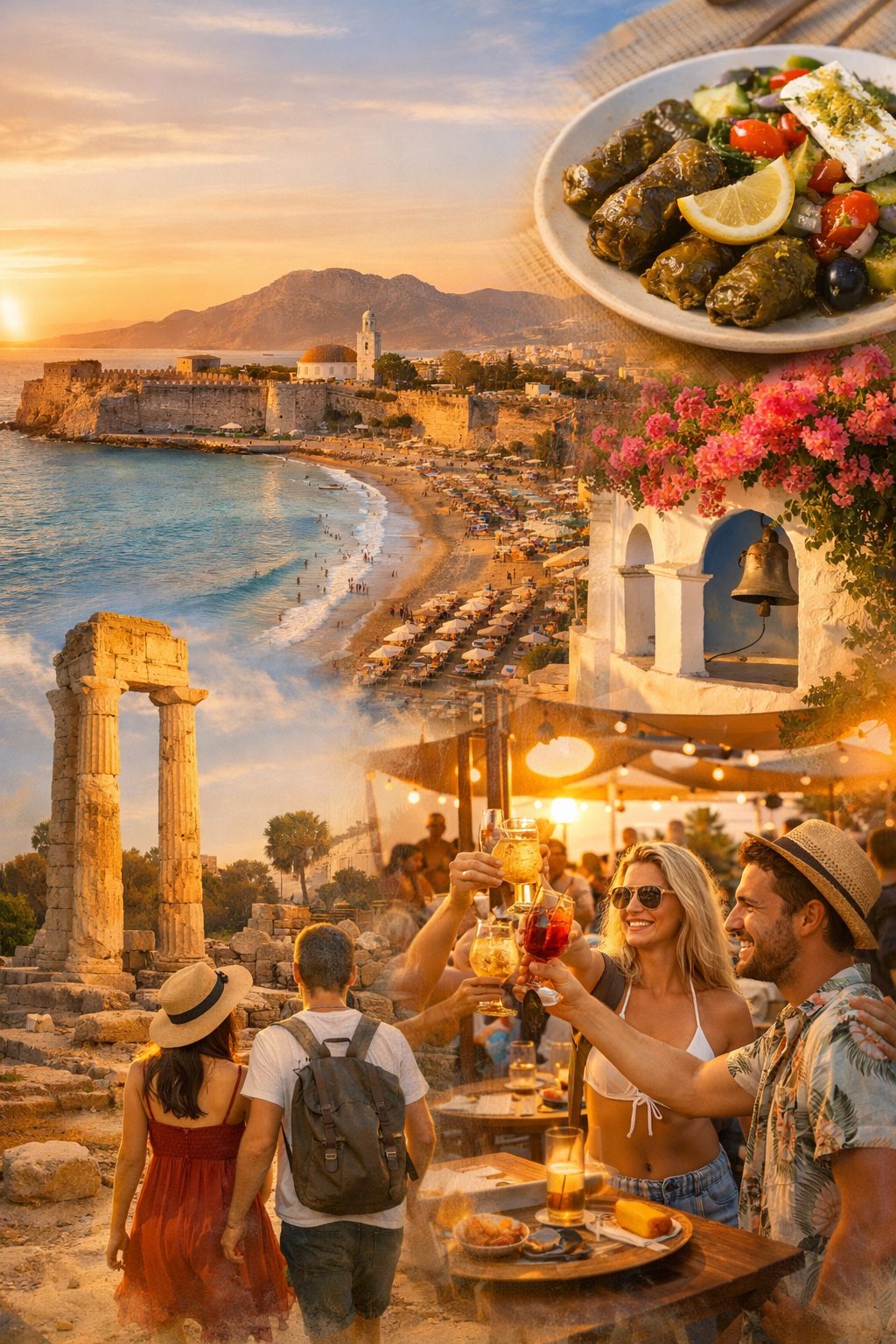
To experience a classic Greek island with vibrant nightlife, long sandy beaches, and significant archaeological sites like the Asklepieion. Great for cycling and windsurfing.
Why Not
If you're seeking quiet, uncrowded beaches, authentic village life, or a sophisticated retreat. Summer overtourism and party-centric culture overwhelm the island's historical charm.
Market Watch
Live DataWhen to Visit?
Seasonal AnalysisDestination Analysis
Radical Honesty SeriesKos, the third-largest of the Dodecanese islands, presents a duality that few destinations manage: it's simultaneously a hub for hedonistic nightlife and a repository of 3,500 years of history. The north coast, particularly around Kos Town, is dominated by all-inclusive resorts, loud bars, and a young, boisterous crowd. A ten-minute drive inland, however, reveals quiet villages, abandoned medieval chapels, and terraced hillsides where life hasn't changed much in decades. This article strips away the brochure clichés to examine who Kos actually works for, and who will leave disappointed.
Seasonal Realities
Peak Season: July–August
This is Kos at its most intense. Daytime temperatures regularly hit 35°C, and the beaches from Psalidi to Kardamena become wall-to-wall sunbeds. The party scene in Kos Town reaches fever pitch with bars along the harbour competing for attention until 4 AM. Prices for accommodation double or triple, and hiring a car becomes a battle for shade and parking. The Asklepieion, normally a serene archaeological site, turns into a sweaty queue. For the 20-something clubber, this is paradise. For anyone seeking tranquility or cultural immersion, it's a test of endurance.
Shoulder Seasons: May–June & September–October
May and June offer the best balance. The sea is warm enough for swimming by late May, but the crowds haven't arrived. Wildflowers cover the hills, and the meltemi wind is still mild. September retains summer heat but with fewer families, making it ideal for couples. October can be hit-or-miss: early in the month, it's still pleasant; by late October, many hotels and tavernas close, and the island feels half-asleep. This is the window for the discerning traveler who wants sunshine with breathing room.
Off-Season: November–April
Kos in winter is a different planet. Population drops dramatically. Most tourist restaurants, bars, and shops shut. The island's identity reverts to its agricultural and local roots—quiet, introspective, and slow. The Asklepieion, the Castle of the Knights, and the Roman Odeon are often empty. Walking through the Plane Tree of Hippocrates in Kos Town without a thousand selfie-takers is a surreal experience. Rain is frequent, and many coastal roads can be windswept. This season is strictly for the traveler seeking solitude, local interaction, and a complete escape from the summer machine.
Hidden Gem Period
Late September to early October. The sea retains summer warmth, the meltemi has died down, and the tourists have thinned. You can cycle from Kos Town to Marmari without fighting for space, dine at tavernas without a wait, and feel the authentic rhythm of the island—without the festival atmosphere.
Kos is not 'Greek-lite'—it has deep history—but the tourism industry overshadows it. Venture inland to Zia or Pili for genuine experiences. The island is also a transport hub for day trips to Nisyros, Bodrum, and Kalymnos.