Yıldırım, Bursa
Cumalıkızık Mahallesi
Why Go
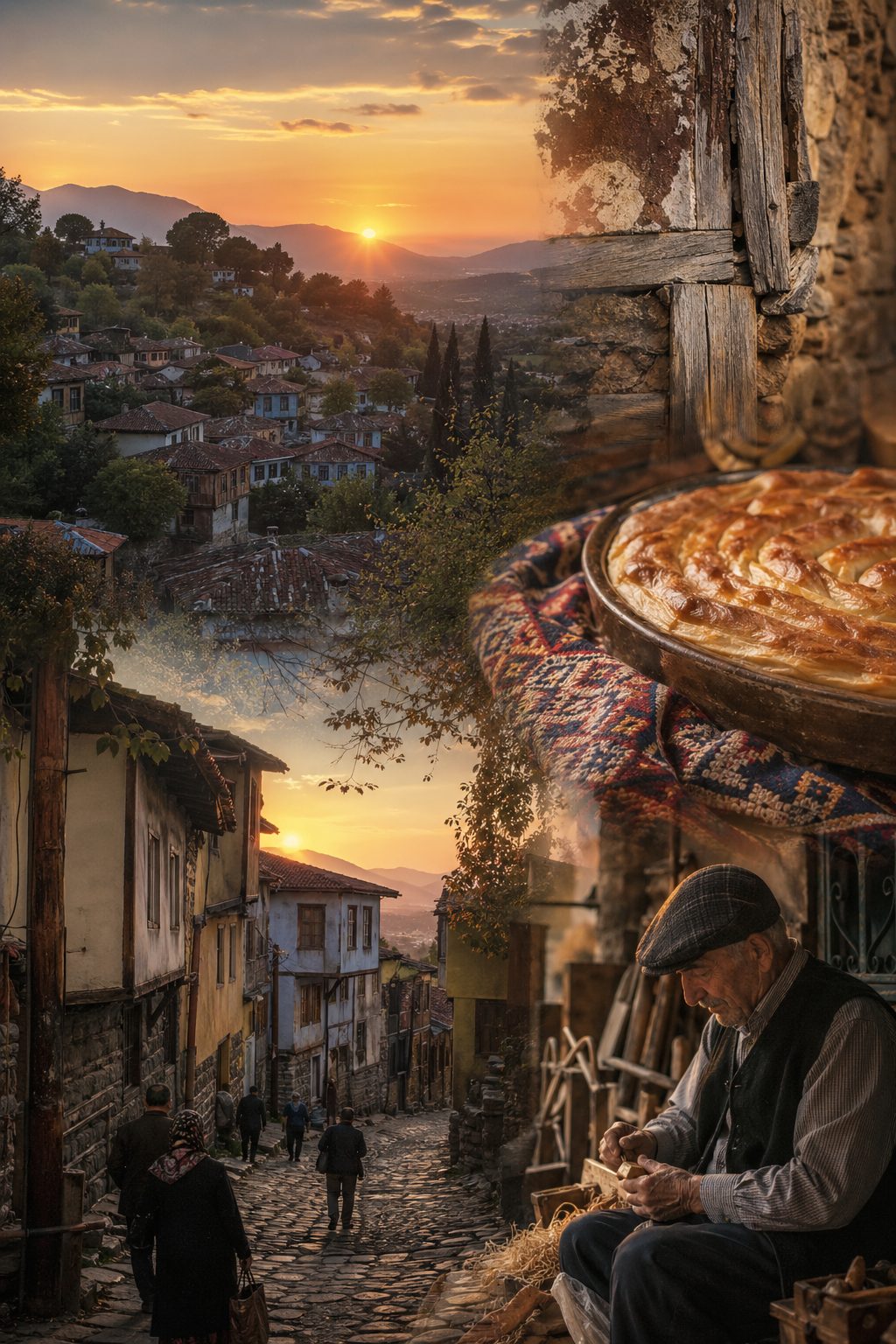
Authentic pre-Ottoman civilian architecture. Film location for Turkish TV series. Slow pace, raspberry sherbet, hillside views. Great for half-day cultural immersion.
Why Not
Overrun on summer weekends. Noisy with tour groups. Steep slippery lanes unsuitable for wheelchairs or strollers. Overpriced snacks. Minimal nightlife or dining.
Market Watch
Live DataWhen to Visit?
Seasonal AnalysisDestination Analysis
Radical Honesty SeriesCumalıkızık Mahallesi, Bursa: Unvarnished Truth
A living museum of early Ottoman civilian architecture, Cumalıkızık sits like a time capsule at the foot of Mount Uludağ. Cobbled lanes, crumbling stone houses, and a pace that defies the 21st century. But charm cuts both ways.
Who thrives here: Culture hunters, slow travelers, photographers, couples who don't need nightlife.
Who struggles: Luxury seekers, disabled travelers (streets are steep and uneven), anyone expecting fine dining or nightlife.
2025+ trends alignment: Strong for slow travel, digital detox (patchy WiFi, no coworking), off-season exploration. Weak for overtourism escape — it's already busy on weekends year-round.
Seasonal Realities
Spring (April–May)
The village breathes. Wildflowers on hillsides, mild air, manageable crowds on weekdays. Weekends still bring Bursa day-trippers. The famous raspberry sherbet stands open. No mud, no snow — the best balance of pleasant weather and tolerable visitor numbers.
Summer (June–August)
Hot and crowded. Peak months bring tour buses to the upper parking lot. The main lane becomes a slow-moving canyon of elbows and selfie sticks. Morning hours (before 10am) are your only refuge. Afternoon heat radiates off stone walls. Hydration essential; air conditioning rare.
Autumn (September–October)
September retains summer crowds but cooler. October is the hidden gem period — golden light, fewer buses, locals still friendly. Some houses close early. The last chestnut sellers appear. Ideal for photographers.
Winter (November–March)
Quiet and raw. Snow makes the cobbles treacherous. Several cafes and souvenir shops shut entirely. Temperatures near freezing. But you'll have the village almost to yourself. Those who brave it get authentic local life, no queues, and hot sahlep from the one open corner store. Not for casual tourists.
Verdict: Visit in October for solitude and decent weather. Avoid July–August unless you enjoy theme-park density.
Hidden Costs & Honest Warnings
- No ATMs inside the village (bring cash from Bursa).
- Parking fills by 11am on summer weekends — arrive before 9am or abandon hope.
- Many historic houses are private residences — respect signs, don't trespass.
- The "museum house" (entry 10 TL) is small but gives genuine interior context.
- Local "organic markets" have become semi-touristy; prices 30% above Bursa.
Who Will Be Disappointed
Luxury travelers — no hotel above 2-star equivalent within 2km. Nightlife seekers — everything closes by 9pm. Adventure seekers — it's a gentle stroll, not a hike. Budget travelers — overpriced tea and snacks near the entrance.
2026 Reality Check
Slow travel trend has increased weekday visits from Europeans, especially German and Dutch. Digital detox interest rising — but most visitors still Instagram obsessively. Sustainability pressure is low; no plastic reduction visible at kiosks. Overtourism on weekends is real; weekday visits are still genuinely peaceful.
Weekends are theme-park crowded. Weekdays are genuinely serene. The village is lived-in — not a Disneyfied museum. Respect residents. Winter offers solitude but limited services.