Bodrum, Muğla
Bitez
Why Go
For a calmer, more grounded Bodrum experience. Enjoy safe, shallow swimming in a beautiful bay. Take advantage of excellent windsurfing and kitesurfing conditions (especially in summer). Savor fresh seafood at family-run waterfront restaurants. Escape the high-decibel nightlife scene.
Why Not
If you seek luxury accommodations, designer shopping, or vibrant nightlife, you'll find Bitez too sleepy. The main beach becomes extremely crowded in July and August. History buffs will need to venture elsewhere. The wind, while great for sailors, can make afternoons choppy for casual swimmers.

Market Watch
Live DataWhen to Visit?
Seasonal AnalysisDestination Analysis
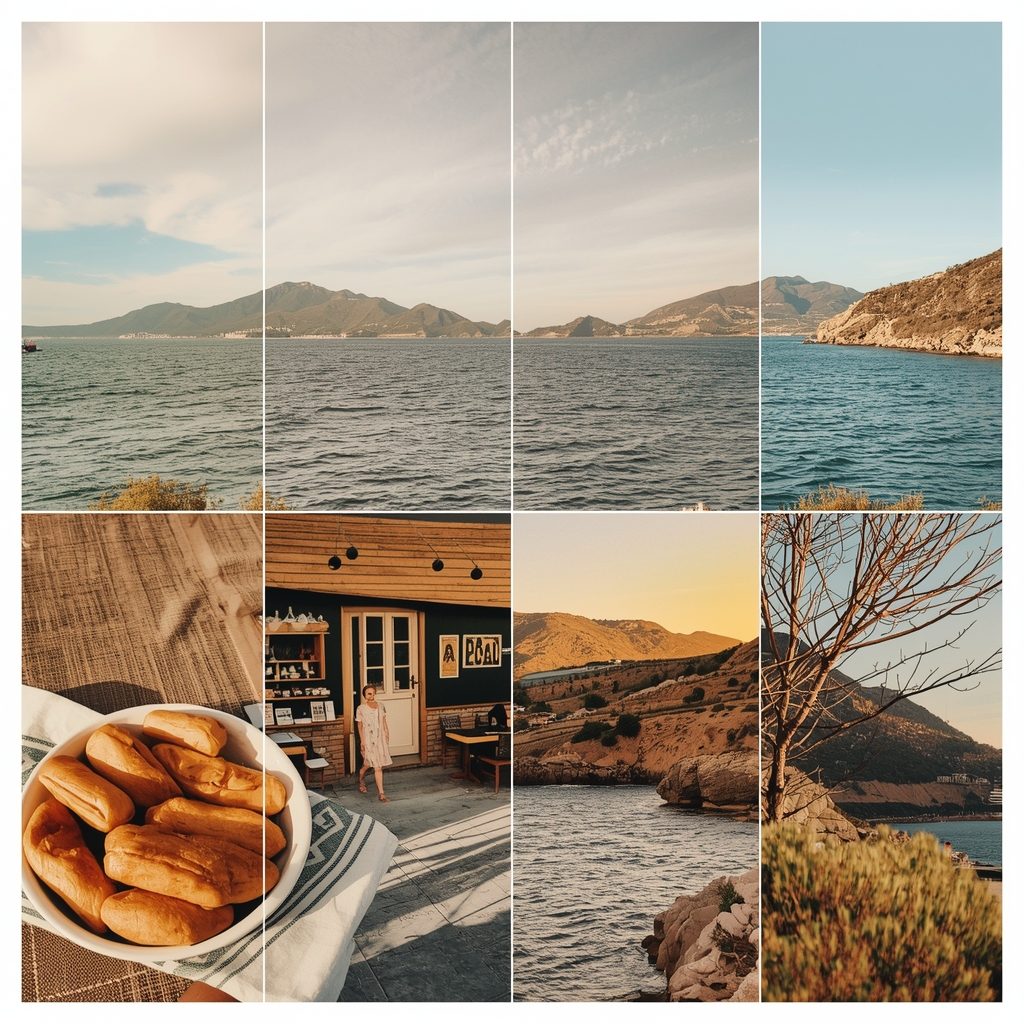
Radical Honesty SeriesBitez sits quietly on the north coast of the Bodrum Peninsula, offering a long, gently curving bay that manages to feel both accessible and slightly apart from the glitz of central Bodrum town or the exclusive hills of Yalıkavak. Its identity is shaped by the water: the bay is shallow and safe for families, and the prevailing northerly wind, the 'meltemi,' whips across in summer, turning the surface into a mosaic of brightly colored sails and kiteboards. The village itself retains a semblance of everyday Turkish life, with a working-class core and a promenade lined with modest hotels, apartments, and family-run restaurants. During the day, the beach is a democratic space—sunbeds packed in high season, but with a more local, less pretentious energy than elsewhere. As the sun drops, the pace doesn't accelerate into clubland frenzy; instead, it settles into long dinners at waterfront tables, the clink of raki glasses, and the murmur of families and couples. Who Will Love It: Families seeking a safe, sandy beach with shallow entry. Watersports enthusiasts (especially windsurfers and kitesurfers) who appreciate consistent summer winds. Couples looking for a romantic but unpretentious base. Travelers wanting a taste of 'real' Turkey without sacrificing comfort. Who Will Be Disappointed: Luxury travelers expecting high-end boutiques and five-star service—you won't find it here. Party seekers—nightlife is subdued, limited to a few bars. Those seeking isolation—the bay gets crowded in July and August. Culture hunters—while charming, Bitez has few historical sights of its own.
Seasonal Realities
Peak Season (July - August)
The bay transforms into a bustling summer playground. Sunbeds are tightly packed, the water fills with swimmers and paddleboarders, and finding a parking spot near the beach becomes a test of patience. The wind is reliable, making afternoons perfect for windsurfing, but the crowds are relentless. Accommodation prices double, and the small village feels strained under the weight of tourists. Those seeking quiet should avoid this period.
Shoulder Season (May - June & September - October)
This is Bitez at its most charming. The water is warm enough for swimming from late May, the wildflowers bloom on the surrounding hillsides, and the crowds have yet to arrive or have just departed. The wind is lighter, ideal for beginner sailors. Restaurants are open but not overwhelmed, and you can find a sunbed without a fight. October brings a golden calm, with local life resuming in the village.
Off Season (November - April)
Bitez hibernates. Most hotels, beach clubs, and restaurants along the promenade shutter. The wind can be cold and biting. A few tea gardens and local bakeries remain open in the village center, but the experience is purely about the quiet rhythm of local life and long, blustery walks on an empty beach. It is not a tourist season.
The Hidden Gem Window
Late May to mid-June offers the sweet spot: perfect swimming weather, the first flush of summer energy, uncrowded conditions, and the chance to watch local farmers tend their tangerine groves on the hillsides before the harvest.
Bitez's character is a delicate balance between local life and tourism. The backstreets still hold tangerine groves and quiet houses, while the front is purely touristic. Its success as a destination hinges on maintaining this balance without succumbing to overdevelopment. The wind is both an asset and a drawback, depending on your activity.