Albarracín, Aragon
Albarracín
Why Go
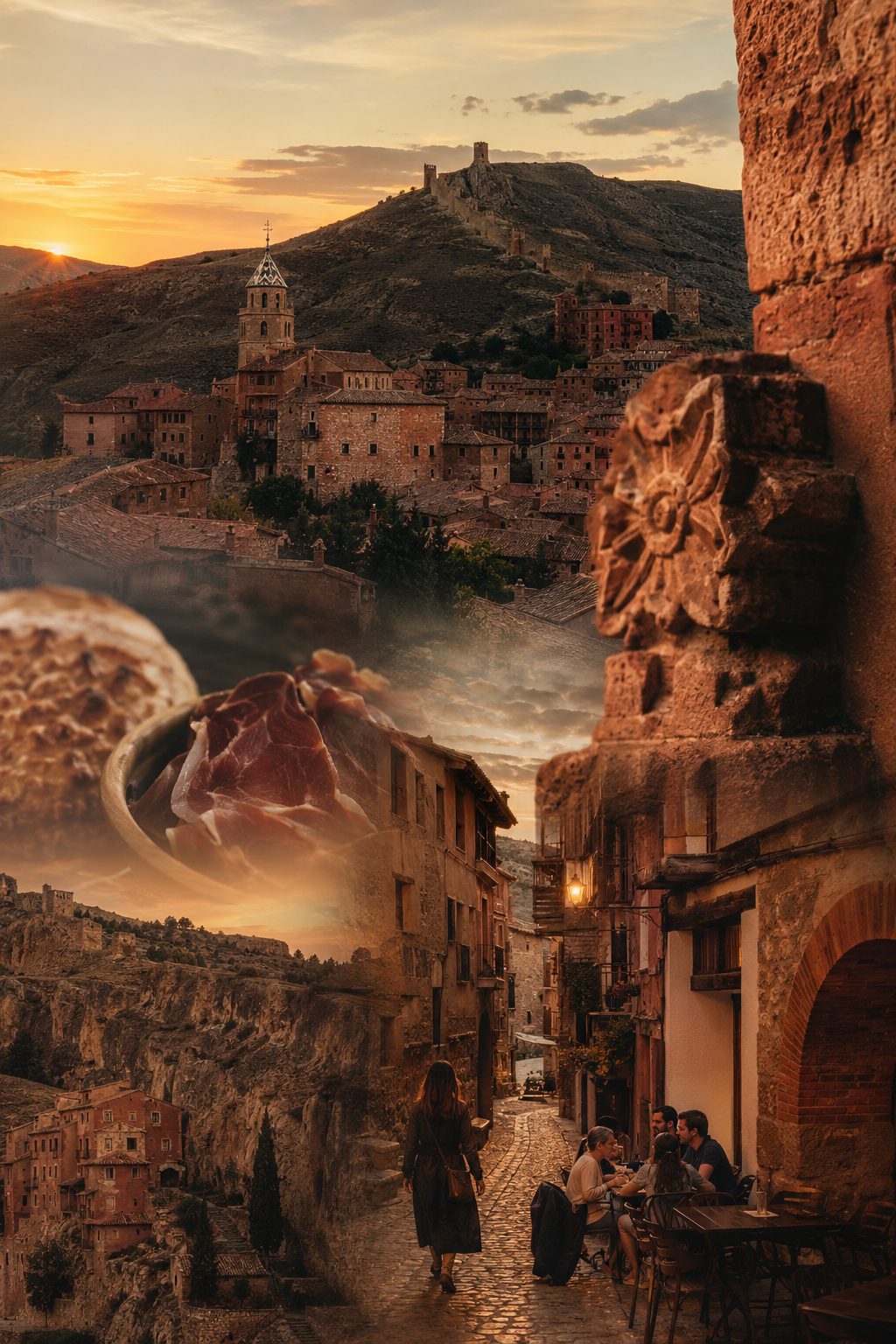
Intact medieval architecture, cinematic landscapes, zero high-rise blight. Off-season solitude is profound.
Why Not
Peak season crowds ruin the vibe; hills are brutal for mobility issues; limited luxury or nightlife.
Market Watch
Live DataWhen to Visit?
Seasonal AnalysisDestination Analysis
Radical Honesty SeriesAlbarracín, Spain: A Medieval Masterpiece with Modern Flaws
Perched above the Guadalaviar River, Albarracín is often called Spain's most beautiful village. Its labyrinthine cobblestone streets, pinkish sandstone houses, and intact 10th-century walls create a time-warp allure. But raw honesty: this is not a hidden secret anymore. Weekend crowds can choke its narrow alleys, and the steep terrain challenges mobility. The magic is real, but so are the logistics pains.
Who will be happy: Architecture nerds, photographers, couples seeking romance, slow travelers with time to wander.
Who will be disappointed: Party animals, luxury seekers (minimal high-end infrastructure), families with strollers, anyone on a tight schedule.
2025+ trends: Albarracín fits the digital detox and slow travel waves perfectly, but lacks remote work hubs. Overtourism escape? Not in peak months. Off-season, absolutely.
Seasonal Realities
Peak Season (July–August)
Expect oppressive heat (35°C+), elbow-to-elbow crowds, and parked cars choking access roads. Parking becomes a nightmare — arrive before 9 AM or risk walking 2 km uphill. Restaurants overflow; quality dips. Accommodation prices double. The medieval magic gets buried under selfie sticks and loud tour groups. Air conditioning is a luxury, not a given.
Shoulder Season (May–June, September–October)
The sweet spot. Pleasant temperatures (18–28°C), manageable crowds, and the light is golden for photography. September still carries summer energy but thinner. May wildflowers color the surrounding countryside. You'll find open tables at restaurants and reasonable hotel rates. This is when Albarracín delivers on its promise without the chaos.
Off-Season (November–April)
Quiet, cold (0–12°C), and sometimes gloomy. Many tourist services reduce hours or close entirely — including some restaurants and the tourist train. Rain and occasional snow can make the steep streets slippery. But if you want the village almost to yourself, this is it. Prices drop 40–60%. Bring warm clothes and patience.
Hidden Gem Period
Late November (pre-Christmas) and early March (post-winter, pre-Spring surge). In November, you get eerily peaceful mornings with fog rolling over the river — spectacular for photography. March offers emerging blossoms and still-thin crowds before Easter spikes.
Logistical truths: The nearest airport is Valencia (2.5 hours) or Zaragoza (2 hours). You need a car. Bus service from Teruel exists but is infrequent. Parking fills by 10 AM in peak season — there's a paid lot outside the walls (€12/day). Inside the old town, cars are prohibited to non-residents. Expect to walk, and walk uphill.
Where to eat: El Corral del Olmo is reliable but pricey; try Bar Lubia for tapas and local wine. Avoid anything directly on the main square in August — tourist-trap mediocrity.
Final verdict: Albarracín is a five-star destination with two-star logistics. Come in shoulder season, wear good shoes, lower your speed, and you'll understand the hype. Come in August, you'll curse my name.
The 'most beautiful village' title is earned but comes with overtourism side effects. Early mornings and off-season visits reveal its true soul.