Çeşme, İzmir
Alaçatı
Why Go
For world-class windsurfing conditions, a vibrant social scene centered around stylish cafes and nightclubs, and the chance to wander beautifully restored stone streets.
Why Not
If you seek peace, quiet, and authentic local culture in summer. Prices are inflated, crowds are intense, and the experience can feel manufactured and status-obsessed.
Market Watch
Live DataWhen to Visit?
Seasonal AnalysisDestination Analysis
Radical Honesty SeriesOverview
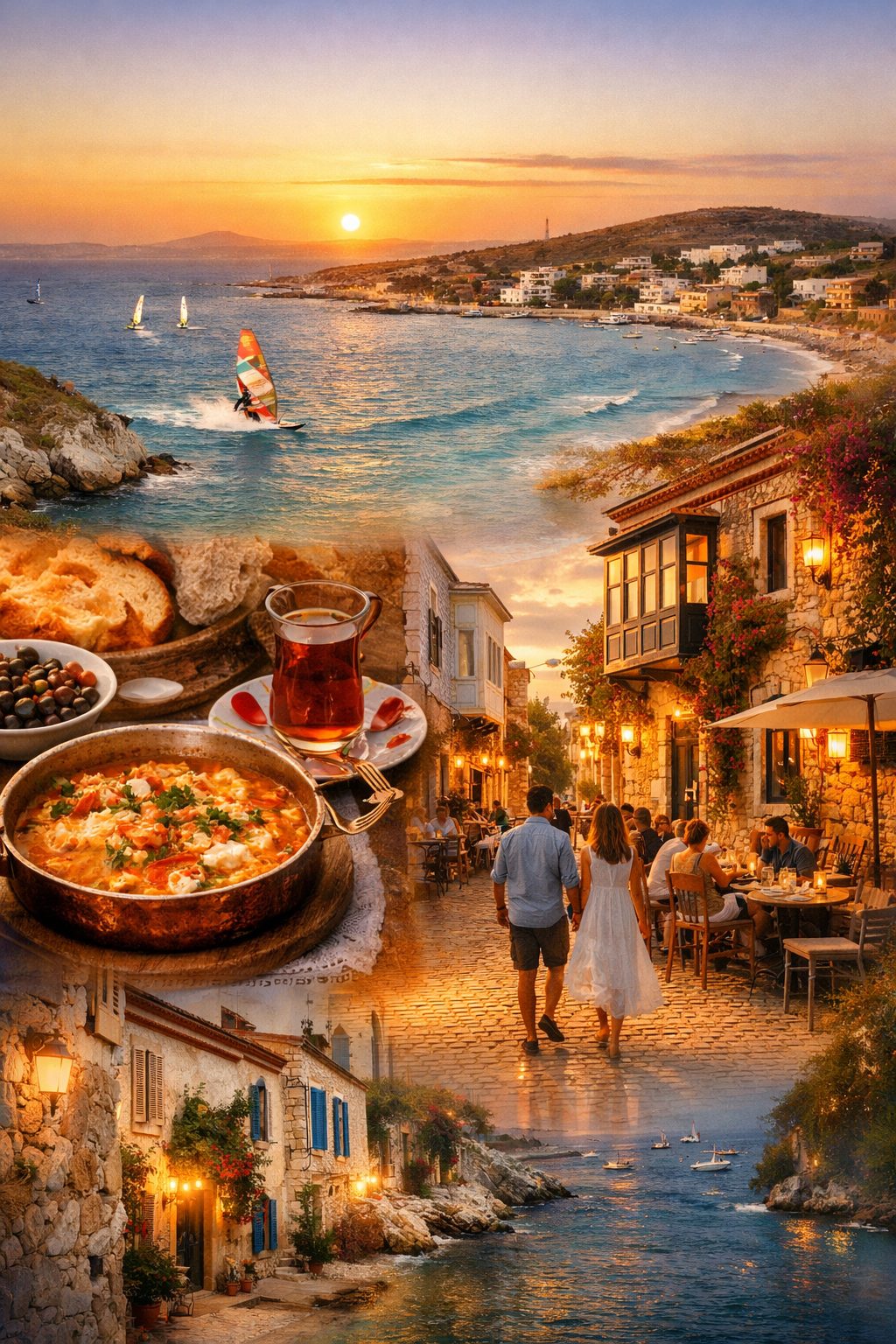
Alaçatı, on Turkey's Çeşme peninsula, is a former Greek village turned windsurfing paradise and Istanbul's summer playground. Its restored stone houses now host boutique hotels, high-end boutiques, and a famously frenetic brunch and nightlife scene.
When to Go
Peak Season (July–August)
The town explodes. Temperatures soar, the narrow streets become pedestrian gridlocks, and beach clubs charge entry fees exceeding €50. Expect 30-minute waits for a table at popular brunch spots and decibel-level nightlife until dawn. This period is for the see-and-be-seen crowd, not for tranquility.
Shoulder Season (May–June, September–October)
Ideal for windsurfing (consistent winds) and exploration. Crowds thin, temperatures are pleasant (25-30°C), and accommodation prices drop by 30-50%. The vibe shifts from chaotic party to sophisticated coastal town.
Off Season (November–April)
Alaçatı hibernates. Many hotels, restaurants, and shops shutter. The wind remains, but it's cold. The charm of the empty stone streets is palpable, but visitor services are minimal. A true ghost town.
Who Will Be Happy
Windsurfers and kitesurfers (the bay is world-class), the Turkish urban elite seeking a status-symbol weekend, and groups of friends wanting a high-energy party scene with a stylish backdrop.
Who Will Be Disappointed
Budget travelers (prices are inflated), families seeking quiet beach holidays (the main town beach is small and crowded), and culture hunters expecting deep history beyond the restored facade.
2025+ Trends
Alaçatı is grappling with its success. Overtourism in peak months is pushing some travelers to nearby, quieter villages like Sığacık. The rise of 'slow travel' contradicts the town's high-energy peak identity. However, the shoulder season appeal for wind sports remains strong. Digital detox is impossible here in summer – connectivity and social media are the point.
Seasonal Realities
🌞 Peak Season: The Theater
Alaçatı becomes a stage. Every table, every beach chair is a performance. Service is rushed, prices are at their peak, and the experience is as much about people-watching as it is about the destination. The famous Alaçatı Herb Festival (April) kicks off the season, but by July, it's a non-stop party.
🍂 Shoulder Season: The Wind's Domain
This is the secret window for windsurfers. The Alçıtepe windsurf beach is busy but functional. You can actually get a reservation at the hot restaurants. The pace is energetic but not frantic. It feels like a real town, not a film set.
❄️ Off Season: The Stone Village
Without the crowds, Alaçatı reveals its core beauty: the quiet, cobblestone streets and the architecture. It's a place for long walks and simple local eateries that remain open. The atmosphere is introspective and calm. You'll have the photo opportunities to yourself.
🌊 The Waterfront Divide
There's a stark contrast between the town center (boutiques, brunch) and the beach areas (wind sports, clubs). Alaçatı Beach is narrow and man-made, while the windsurf beaches to the north (like Sörf Beach) are functional and windswept. They attract completely different crowds.
Alaçatı's charm is seasonal and demographic. It's a masterclass in tourism-driven gentrification, beloved by its core audience but alienating to others. The windsurfing community is the authentic backbone.