Ula, Muğla
Akyaka
Why Go
Authentic aesthetic, unique river ecosystem, and the best kitesurfing conditions in the Eastern Mediterranean.
Why Not
Extreme weekend overcrowding and limited infrastructure that struggles under peak summer demand.
Market Watch
Live DataWhen to Visit?
Seasonal AnalysisDestination Analysis
Radical Honesty SeriesAkyaka: The Fragile Balance of a Cittaslow Icon
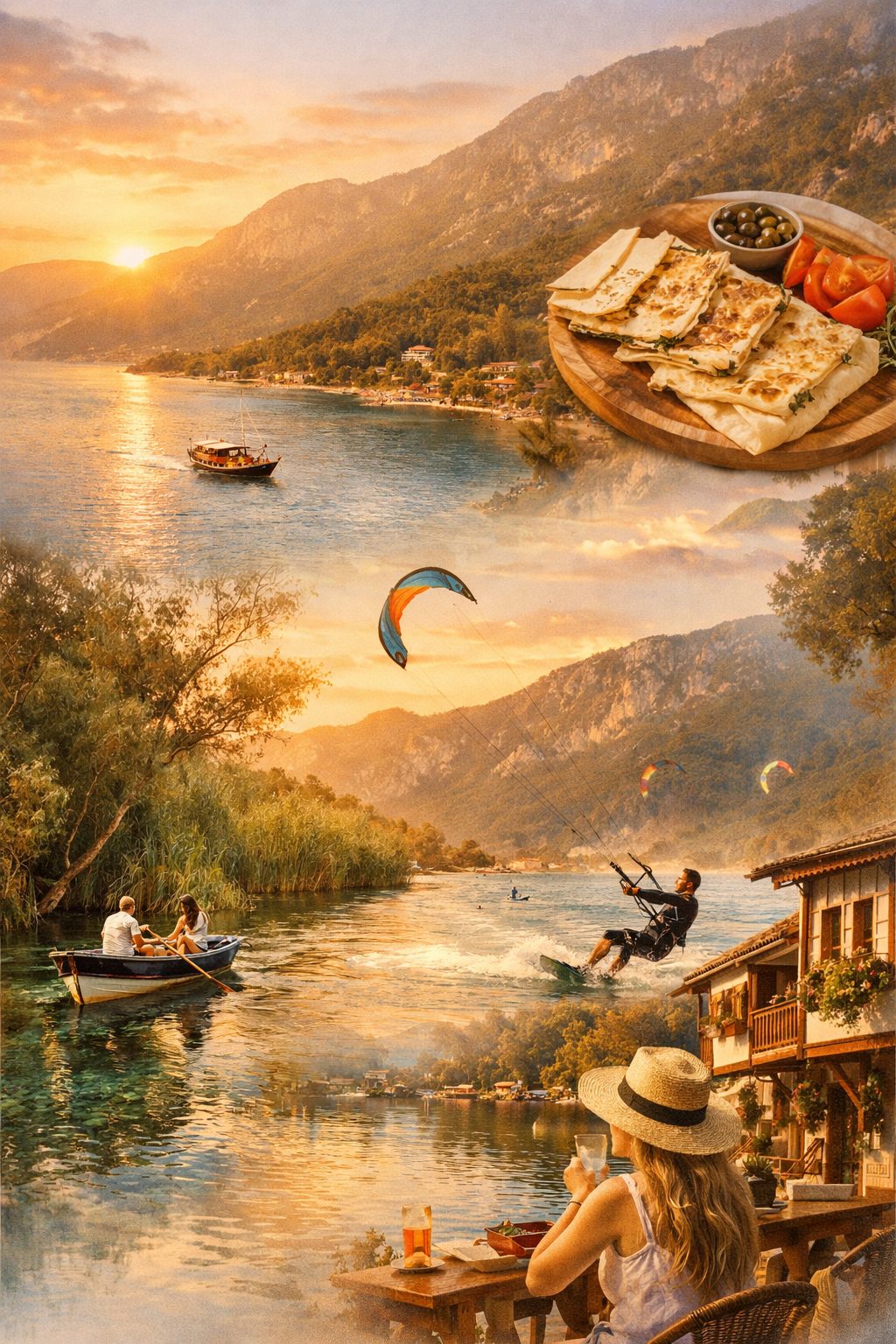
Akyaka is a destination caught between two identities. On one hand, it is a pioneer of the 'Slow City' movement in Turkey, defined by the distinct wood-carved architecture of Nail Çakırhan and the icy, crystal-clear waters of the Azmak River. On the other, it has become a victim of its own charm, struggling with extreme weekend congestion and a kitesurfing scene that brings a high-energy vibe to an otherwise sleepy layout. Travelers seeking a refined, quiet escape will find it in the mornings, but by noon, the narrow streets and riverbanks often feel overwhelmed.
Seasonal Realities
The Summer Surge (July–August)
During the peak heat of summer, Akyaka transforms from a peaceful village into a high-pressure zone. The Azmak River becomes a conveyor belt of excursion boats, and the local beach is packed with day-trippers from nearby cities. Humidity is high, and the 'slow' pace becomes a logistical hurdle as restaurants reach capacity. If you aren't here for kitesurfing—which is at its prime due to the thermal winds—you may find the noise and crowds counter-intuitive to the town's 'Cittaslow' branding.
The Golden Shoulder (September–October)
This is the definitive 'sweet spot' for Akyaka. The sea remains warm, but the crushing crowds of domestic weekenders dissipate. The winds are still reliable for kiters, yet the town's restaurants regain their intimacy. This is when the destination actually delivers on its promise of peace. You can actually hear the birds along the reed beds of the Azmak without the drone of boat engines and loud music.
The Winter Hibernation (November–March)
Akyaka in winter is strictly for those seeking solitude and a digital detox. Many businesses close, and the town takes on a misty, melancholic beauty. It is damp and chilly, but the local community remains active. It is an excellent time for long walks in the pine forests or focusing on creative work, provided you don't mind a very limited selection of dining options.
The Spring Awakening (April–June)
Spring brings a burst of green and blooming jasmine. The water in the Azmak is at its most vibrant, though the Aegean remains too cold for most swimmers until late May. This period attracts nature photographers and hikers. It is a time of preparation, offering a glimpse of the town's authentic self before the logistics are stretched thin by the summer influx.
Who it is for
Akyaka rewards the 'slow' traveler who appreciates architecture and ecology over nightlife. It is a haven for kitesurfers due to the consistent thermal winds and shallow waters. However, those looking for high-end luxury resorts or a 'see and be seen' beach club culture will be deeply disappointed; the infrastructure here remains intentionally modest and boutique.
The 'Slow' designation applies to the philosophy, not necessarily the summer traffic. The river water is 8-12°C year-round; it's for dipping, not long swims.
Who Visits?
Nationality AnalysisHonest Reviews
Adjust Honesty LevelThe river boat tours are very popular, though the high frequency of departures can make the experience feel a bit hurried.
The consistent afternoon breeze is excellent for sports, though it can make casual sunbathing a little sandy.
The 'Slow City' charm is wonderful, though the narrow streets can lead to some minor congestion during the weekends.
The traditional woodwork is iconic, though some of the older properties would benefit from a bit of restorative care.